






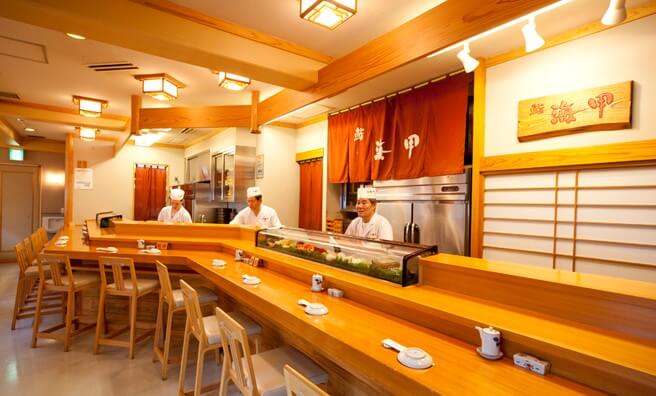
Food in Japan is more than something you eat—it’s an experience woven into daily life, tradition, and even personal identity. From bustling street stalls to quiet neighborhood kitchens, Japanese food reflects care, balance, and respect for ingredients. Whether you’re grabbing a quick bite at a convenience store or sitting down for a carefully prepared meal, every dish tells a story.
Simplicity Done Right
One of the first things you notice about Japanese food is its simplicity. Meals often focus on a few key ingredients rather than heavy sauces or excessive seasoning. Rice, fish, vegetables, tofu, and noodles form the backbone of many dishes. This simplicity allows natural flavors to shine and shows how much importance is placed on freshness and quality.
A simple bowl of rice and miso soup can be surprisingly comforting. It’s not flashy, but it feels intentional—food that nourishes both the body and the spirit.
Street Food That Brings People Together
Japanese street food is lively, affordable, and full of character. At festivals or busy city corners, you’ll find stalls selling takoyaki (octopus balls), yakitori (grilled chicken skewers), taiyaki (fish-shaped pastries filled with sweet bean paste), and more. Watching food being prepared right in front of you adds to the excitement.
Street food in Japan isn’t rushed or careless. Even quick snacks are made with pride, and vendors often perfect the same dish for decades.
Ramen: Comfort in a Bowl
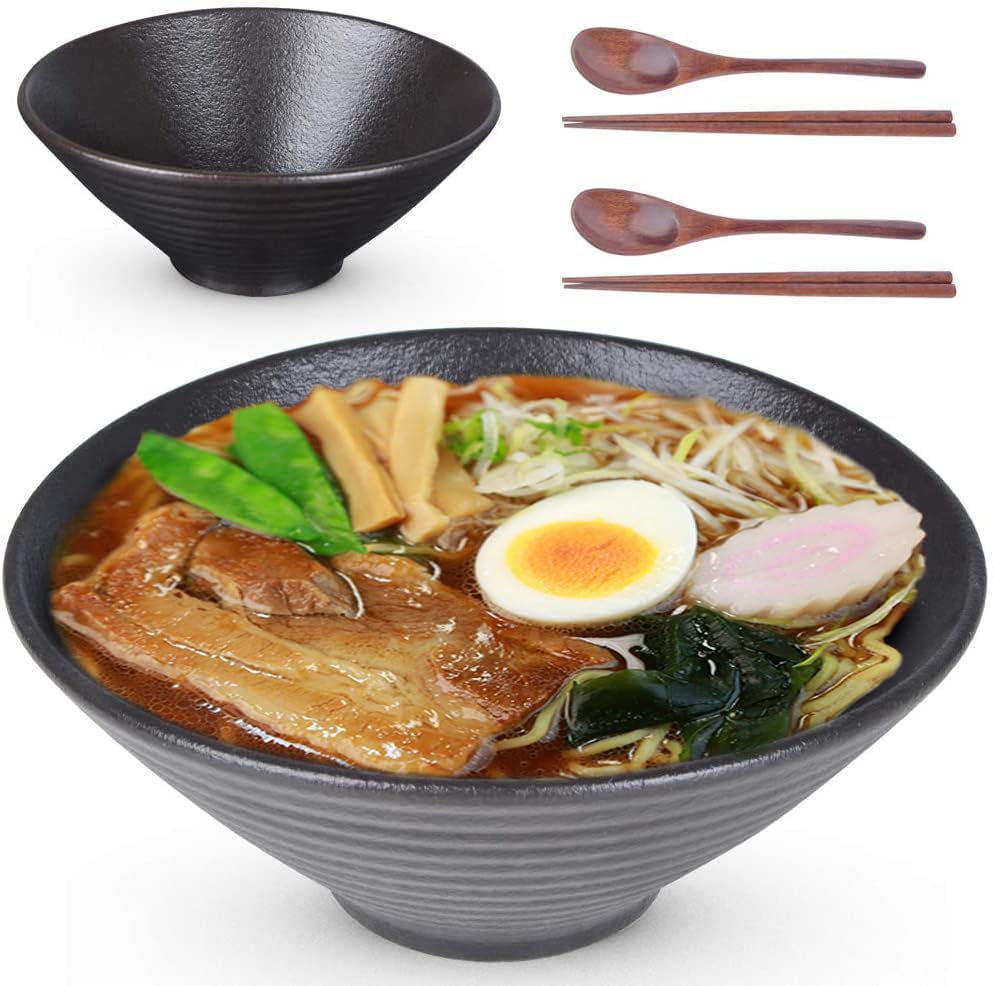
Ramen deserves its own spotlight. Each region in Japan has its own style—rich tonkotsu broth, soy-based shoyu, or light and salty shio. Ramen shops range from tiny counters to famous chains, and many people have a favorite spot they swear by.
What makes ramen special isn’t just the noodles or broth—it’s the atmosphere. Slurping is encouraged, meals are quick, and the focus is purely on enjoyment.
Sushi Beyond the Stereotype
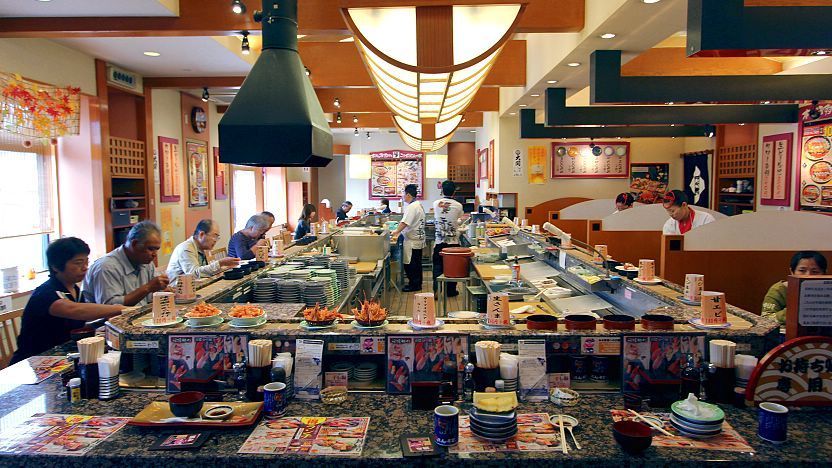
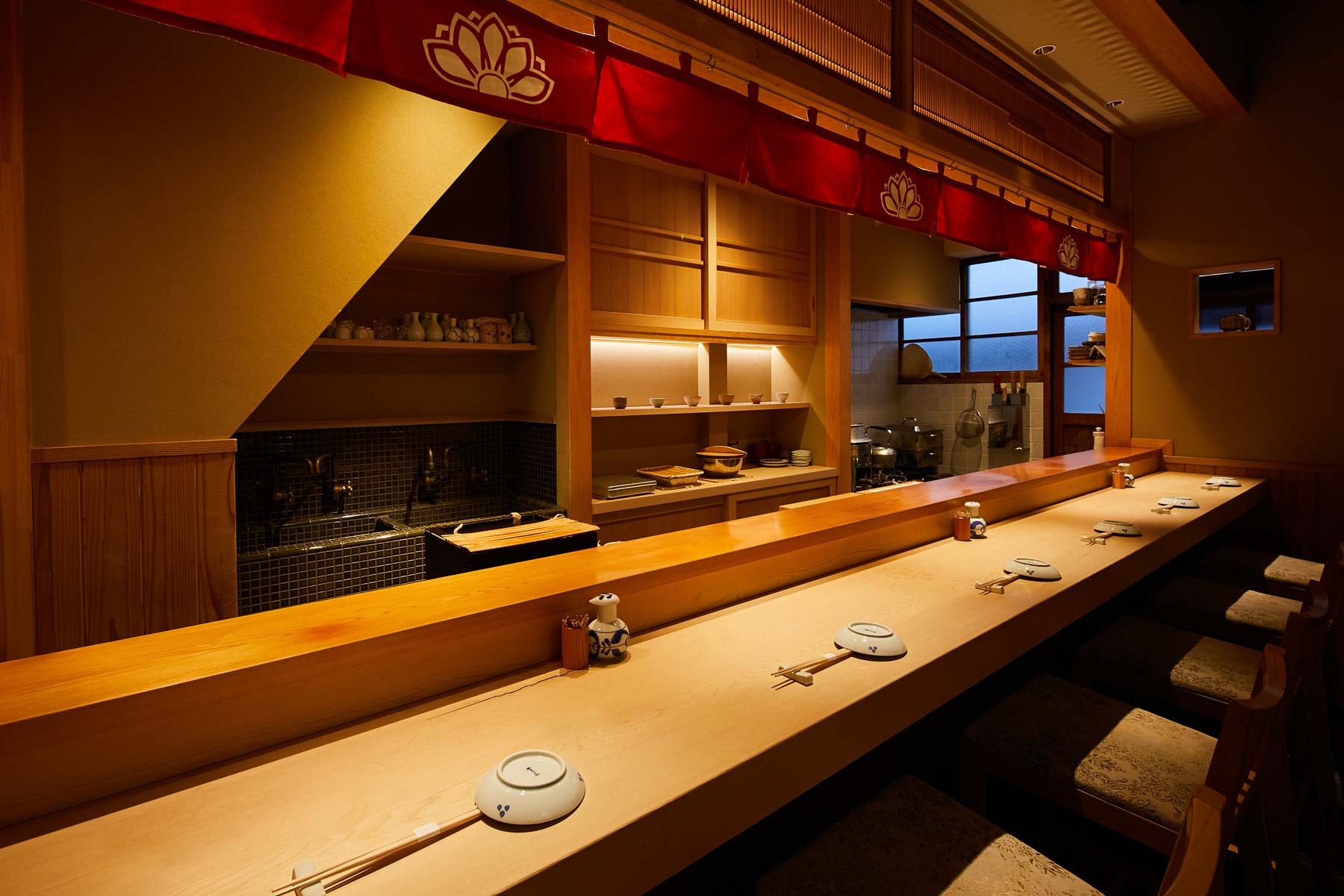
Outside Japan, sushi is often seen as fancy or expensive. In Japan, it can be both—but it can also be incredibly casual. Conveyor-belt sushi restaurants make it affordable and fun, while small sushi counters offer a more intimate and refined experience.
What stands out is the respect for the fish. Each piece is carefully cut, seasoned, and served at the right moment. Sushi here feels less like a trend and more like a craft.
Convenience Store Food That Surprises
Japanese convenience stores, known as konbini, are famous for a reason. Onigiri (rice balls), bento boxes, sandwiches, desserts, and hot meals are fresh, affordable, and surprisingly high quality. For many people, konbini food is part of everyday life—quick lunches, late-night snacks, or meals on the go.
It’s proof that good food doesn’t always have to come from a restaurant.
Sweets with Meaning
Traditional Japanese sweets, called wagashi, are often tied to the seasons. Made from ingredients like sweet red bean paste, mochi, and chestnuts, they’re designed to be eaten with tea. The designs often reflect nature—flowers, leaves, or seasonal colors—making them as beautiful as they are delicious.
These sweets show how food in Japan connects closely with art and the changing seasons.
More Than a Meal
What truly sets Japanese food apart is the mindset behind it. Meals are about balance, gratitude, and respect. Saying “itadakimasu” before eating and “gochisousama” after is a reminder to appreciate the effort behind every dish—from farmers to cooks.

In Japan, food isn’t just fuel. It’s a way of slowing down, connecting with others, and honoring tradition. One bite at a time, it invites you to be present—and that might be its most powerful flavor of all.



.png)