


Playing Switch 2 Games on the Original Switch: A Streaming Possibility?
The gaming industry is increasingly exploring ways to make new hardware generations accessible to existing players. One interesting idea that has been discussed by gamers and analysts is the ability to stream games designed for the next generation console onto older hardware.
For owners of the original Nintendo Switch, the question naturally arises: could they still play games designed for the newer Nintendo Switch 2 through streaming technology?
Below we explore how this concept might work, why it could benefit players, and the challenges involved.
The Next Generation of Nintendo’s Hybrid Console

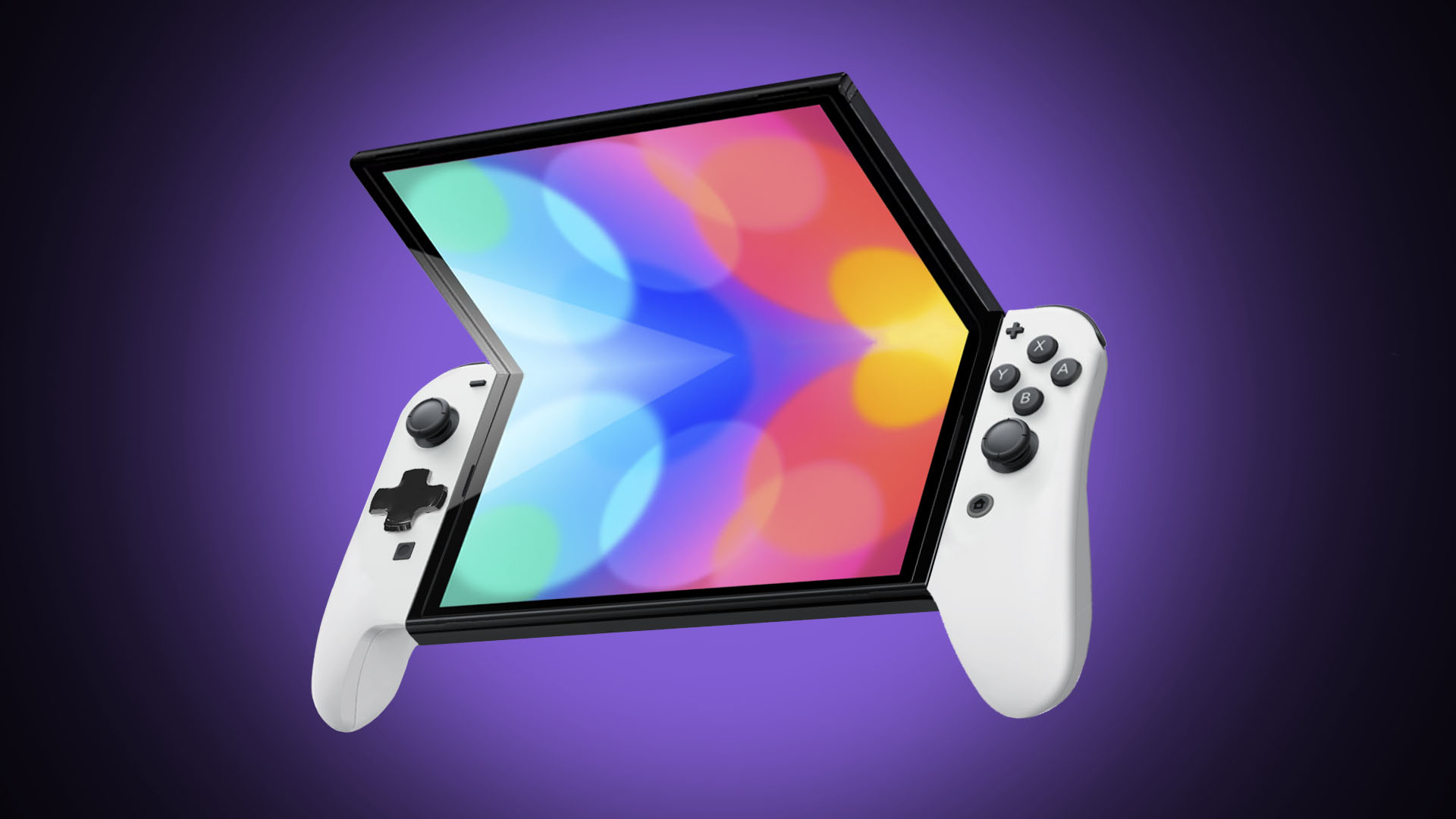
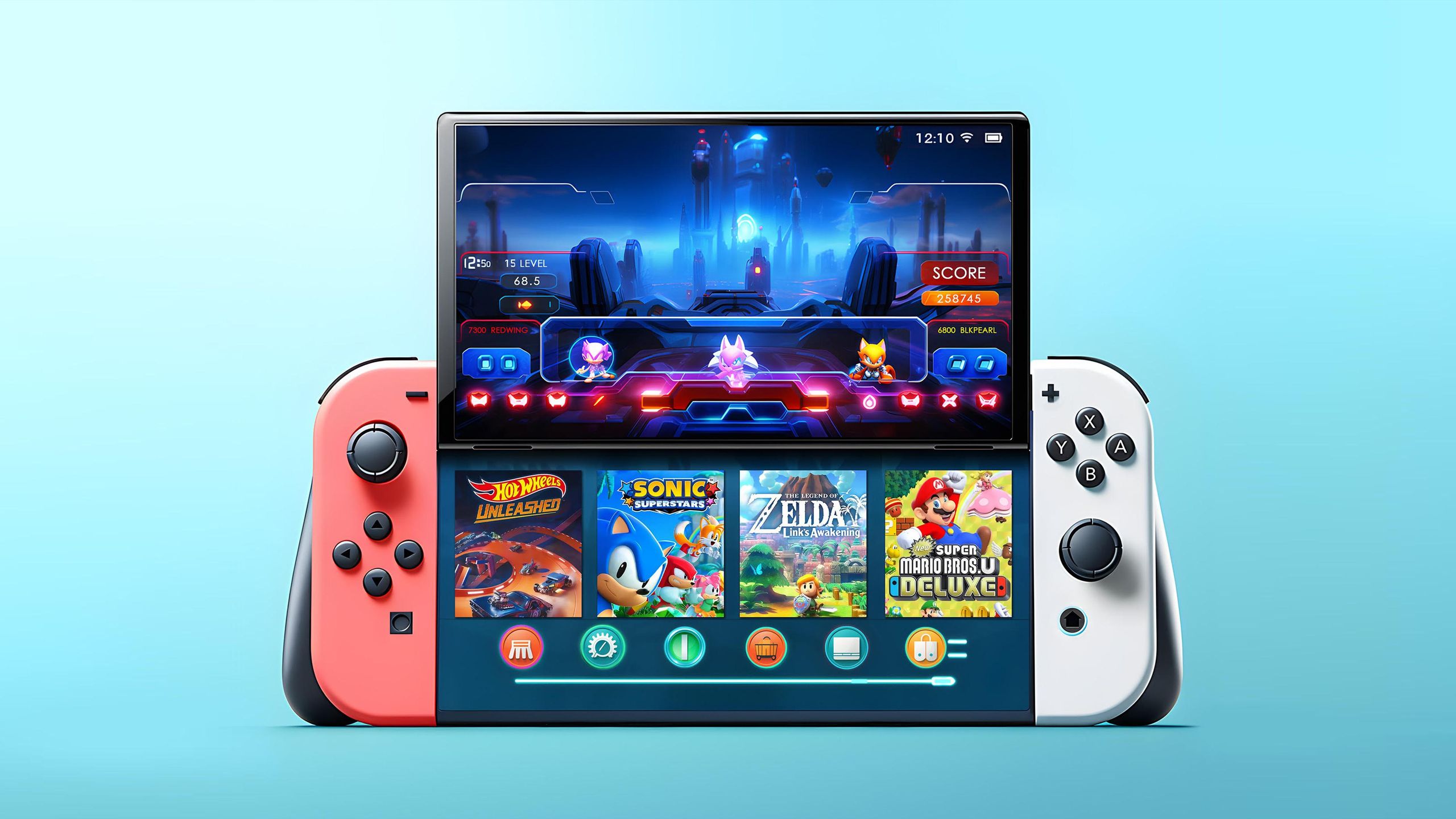
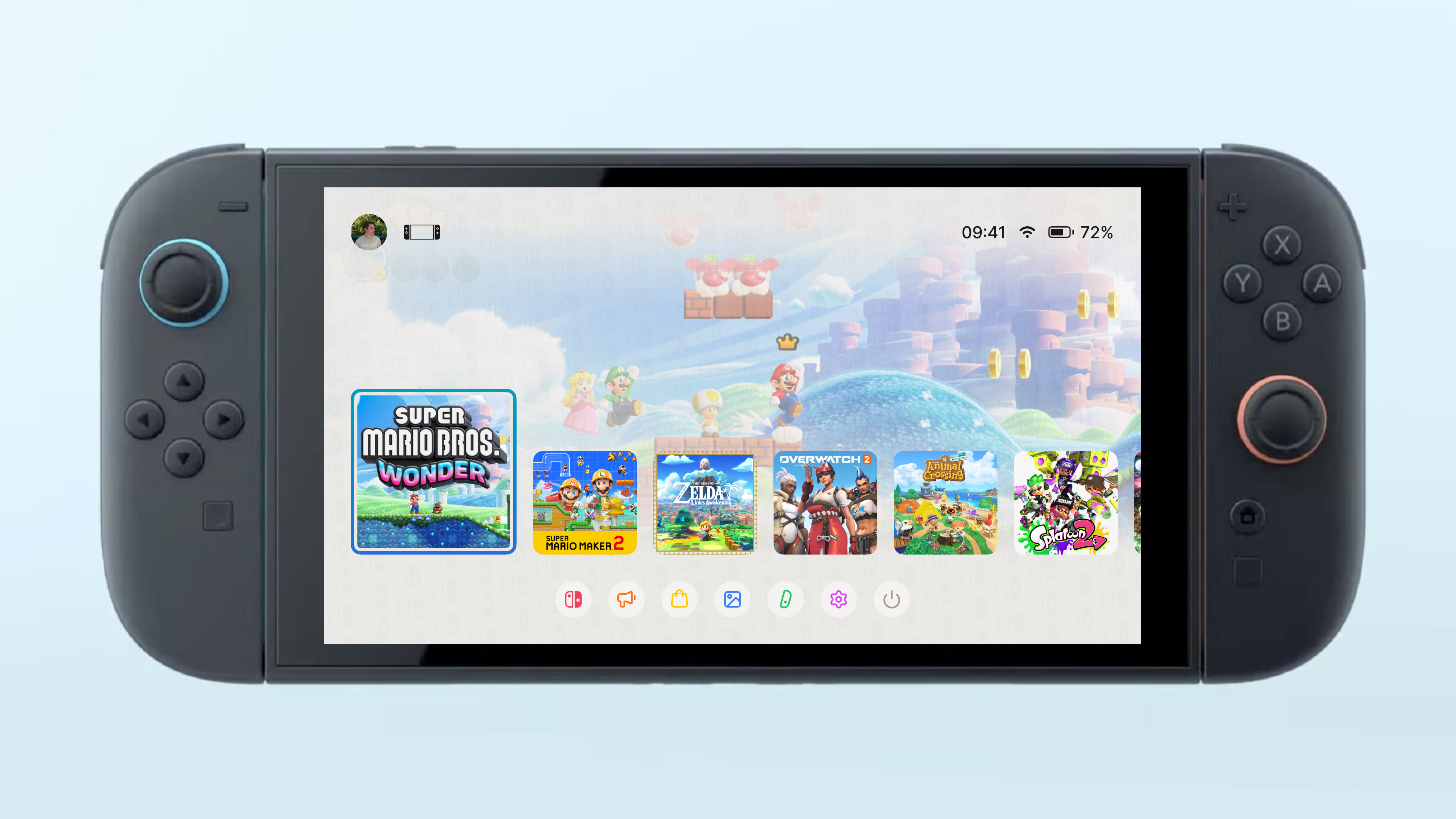
The original Nintendo Switch changed gaming by combining handheld and home-console experiences in one device. Its successor continues that idea but introduces more powerful hardware, a larger display, and upgraded controllers like the newer Joy-Con models. (Wikipedia)
With stronger processing power, the newer system is capable of running more advanced games with improved graphics and more complex worlds. For example, titles such as Donkey Kong Bananza showcase destructible environments and larger sandbox-style gameplay that require greater performance than older hardware can easily provide. (Wikipedia)
This technological leap raises a common issue with new console generations: players with older hardware may miss out on the newest games.
The Idea: Streaming Switch 2 Games to the Original Switch

One possible solution is cloud or remote streaming.
In this scenario, the demanding parts of the game run on powerful servers (or even on a nearby console). The original Switch would simply receive a video stream of the gameplay, while player inputs are sent back to the server.
This concept is already used in other gaming ecosystems, including:
-
Cloud gaming platforms
-
Remote play systems between consoles
-
Streaming-based game libraries
Applying this idea to Nintendo’s ecosystem could allow:
-
Switch 2 games to run on powerful cloud servers
-
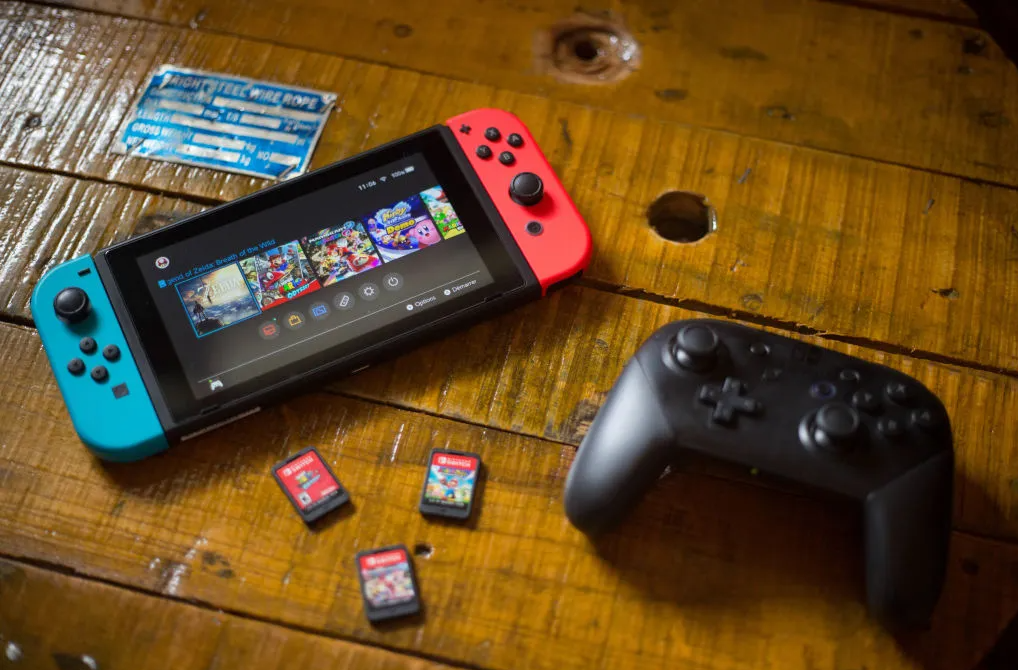
The original Switch to act as a streaming client
-
Players to access next-gen titles without upgrading hardware immediately
Essentially, the older console becomes a portable streaming screen and controller.
Why Nintendo Might Consider This Approach
There are several strategic advantages to enabling this type of compatibility.
1. Extending the Life of the Original Switch
The original Switch has one of the largest player bases in gaming. Allowing streaming access to new titles could keep millions of players engaged in the ecosystem longer.
2. Lower Barrier for New Games
Players could try newer titles without purchasing new hardware right away, making the transition to the new generation smoother.
3. Expanding Digital Services
Nintendo has gradually expanded online services and system features. For example, the Switch 2 introduces tools like GameChat, which supports voice communication and streaming-style features. (Wikipedia)
A cloud streaming infrastructure would fit naturally alongside these online-focused capabilities.
Challenges of Streaming on the Switch
Despite its potential benefits, streaming next-generation games to the original Switch would not be without complications.
Internet Quality Requirements
Cloud gaming requires a stable and fast connection. Poor network conditions could lead to:
-
Input lag
-
Reduced image quality
-
Disconnections
Latency in Handheld Gaming
Portable gaming often happens on the go—where internet quality may vary widely.
Infrastructure Costs
Operating powerful game servers globally is expensive. Nintendo would need to invest significantly in cloud infrastructure.
Game Design Limitations
Developers might hesitate to design games entirely around cloud streaming, especially if they must maintain a consistent experience across devices.
A Bridge Between Console Generations
The concept of streaming Switch 2 games to the original Switch represents a potential bridge between hardware generations.
Instead of forcing an immediate upgrade, it could allow players to gradually transition to the new system while still enjoying upcoming titles.
Whether Nintendo adopts this approach remains uncertain, but the broader gaming industry is clearly moving toward hybrid ecosystems where hardware, cloud services, and streaming coexist.
For Switch owners, that could mean a future where even older consoles still have access to the newest adventures—just delivered through the cloud rather than local hardware.

.png)