







In an industry once defined by trade shows and niche magazines, few individuals have reshaped the public face of gaming as profoundly as Geoff Keighley. Journalist, producer, and tireless advocate for games as culture, Keighley has spent decades bridging the gap between players, creators, and the mainstream. His most visible achievement—The Game Awards—has evolved into gaming’s biggest annual stage, influencing how games are celebrated, marketed, and remembered.
From Journalist to Industry Connector
Keighley’s journey began in traditional games journalism, but his impact grew as he shifted from reporting on games to curating the moments that define them. He understood early that games needed a platform equal to their cultural weight—one that combined credibility with spectacle. By cultivating trust with developers and publishers while maintaining a player-first perspective, Keighley positioned himself as a rare connector in a fragmented industry.
Redefining What an Awards Show Can Be
When The Game Awards launched in 2014, skepticism was inevitable. Could gaming support a polished, global awards show without feeling like a marketing reel? Over time, the answer became clear. The show struck a balance between recognition and revelation—honoring artistic and technical achievement while delivering world premieres that rivaled blockbuster movie trailers.
The result is a format that does more than hand out trophies. It creates moments. Surprise announcements, live orchestral performances, and emotional acceptance speeches give games a shared cultural heartbeat—something fans can experience together in real time across the globe.
Elevating Games as Art and Culture
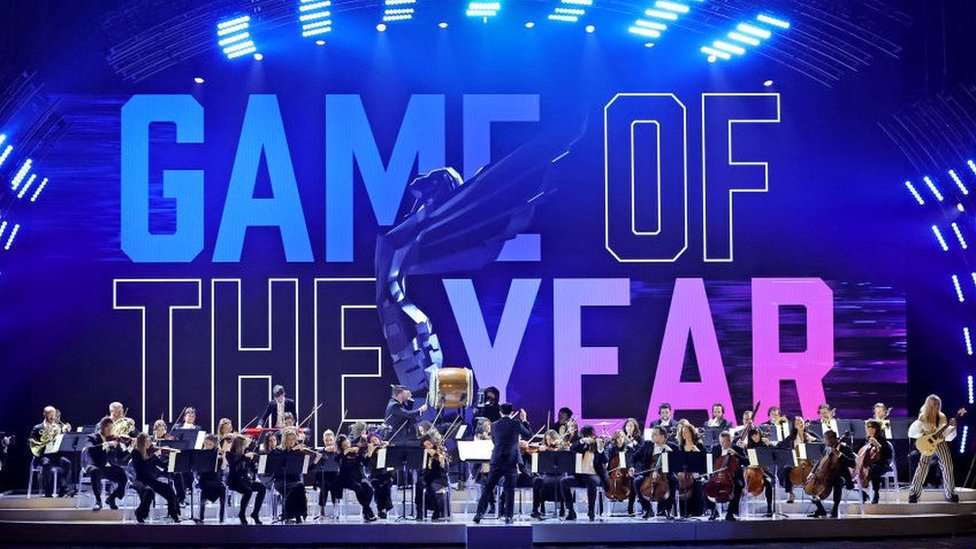
One of Keighley’s most lasting contributions is the way The Game Awards frames games as more than products. Categories celebrate narrative, music, accessibility, and innovation, reinforcing the idea that games are multidisciplinary works of art. By placing indie titles on the same stage as AAA giants, the show validates creativity regardless of budget—and introduces millions of viewers to voices they might otherwise miss.
This framing matters. It influences how the wider world—media, investors, educators—perceives games. Each year, the show quietly argues that games belong alongside film, music, and literature in serious cultural conversations.
A Global Spotlight with Real Consequences
Winning—or even being nominated for—a Game Award can change a studio’s trajectory. Sales spikes, new opportunities, and long-term recognition often follow. Developers from regions historically underrepresented in mainstream gaming gain exposure to a truly global audience. In this way, Keighley’s platform doesn’t just reflect the industry; it shapes its future.
Criticism, Balance, and the Road Ahead
No influential platform is without criticism. Some argue that the awards lean too heavily into marketing or favor blockbuster titles. Keighley has acknowledged these concerns, continually refining voting processes and expanding categories to better represent the diversity of the medium. That willingness to adapt is part of what keeps the show relevant.
Looking forward, The Game Awards sits at the intersection of gaming, streaming culture, and live events. As the industry grows more global and more personal, the show’s challenge—and opportunity—will be to remain authentic while scaling its reach.
A Lasting Legacy
Geoff Keighley’s influence isn’t just about one night in December. It’s about giving games a stage worthy of their impact and inviting the world to watch, listen, and celebrate. In doing so, he has helped define how gaming sees itself—and how the world sees gaming.
Whether you tune in for the awards, the reveals, or the music, one thing is clear: when the industry gathers to mark its biggest moments, Geoff Keighley is often the one holding the spotlight.




.png)