




The Pros and Cons of Owning a Nintendo Switch 2
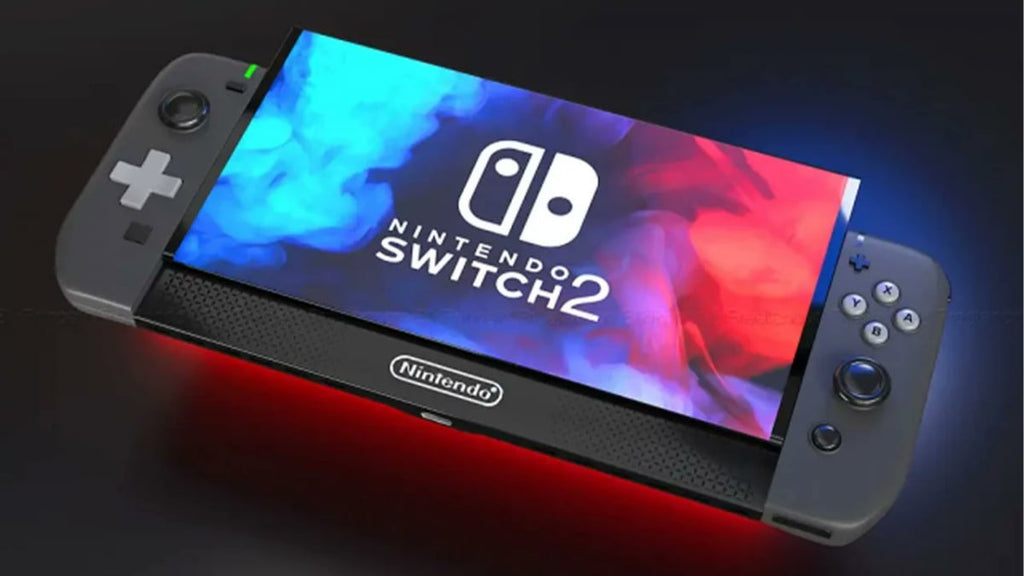
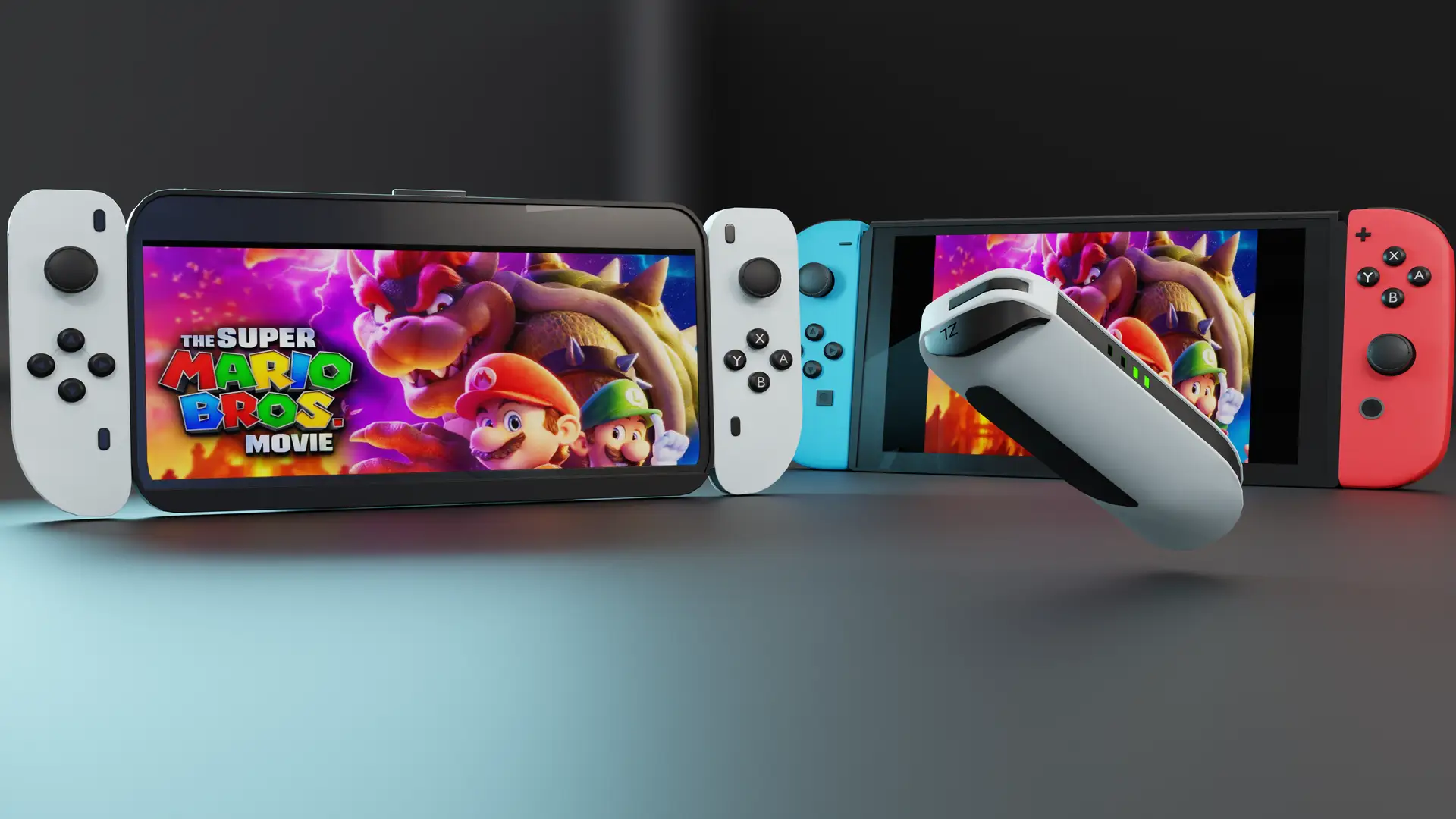
Nintendo has always marched to the beat of its own drum, and anticipation around a Nintendo Switch 2 (or whatever Nintendo ultimately names it) has gamers buzzing. While official details may still be limited, expectations are shaped by Nintendo’s history, the success of the original Switch, and the direction of modern gaming. Here’s a balanced look at the potential pros and cons of owning a Nintendo Switch 2, based on what fans reasonably expect from Nintendo’s next-generation hybrid console.
✅ Pros of Owning a Nintendo Switch 2
1. Improved Performance and Graphics
One of the biggest hopes for a Switch 2 is stronger hardware. Better processing power would mean:
-
Smoother frame rates
-
Faster load times
-
More visually detailed games
This could allow Nintendo exclusives to feel more modern while also making it easier for third-party developers to bring their games to the system.
2. Backward Compatibility (Likely)
Nintendo understands how valuable its existing library is. If the Switch 2 supports original Switch games, players can:
-
Keep their current game collection
-
Transition smoothly without starting over
-
Enjoy older titles with possible performance boosts
Backward compatibility would be a major win for longtime fans.
3. Hybrid Gaming Still Shines

The Switch’s biggest innovation—handheld and docked play in one device—is expected to continue. This flexibility remains unmatched:
-
Play on the go
-
Dock at home for TV gaming
-
Seamless switching between modes
For busy adults, families, and commuters, this versatility is hard to beat.
4. Strong First-Party Games
Nintendo’s exclusive titles are a major selling point. A Switch 2 would likely bring:
-
New Mario, Zelda, Pokémon, and Metroid entries
-
Creative gameplay ideas not found on other consoles
-
Family-friendly and party-focused experiences
Nintendo exclusives often justify owning the console all by themselves.
5. Enhanced Online and Features (Hopefully)
Fans are hoping Nintendo improves:
-
Online stability
-
Social features
-
Cloud saves and account systems
If Nintendo builds on past feedback, the Switch 2 could feel more polished and user-friendly.
❌ Cons of Owning a Nintendo Switch 2
1. Likely Higher Price
With upgraded hardware comes a higher launch price. Accessories, controllers, and games may also cost more, making the initial investment steep—especially for families.
2. Power Still May Lag Behind Rivals
Even with improvements, Nintendo traditionally prioritizes innovation over raw power. Compared to PlayStation and Xbox consoles, the Switch 2 may:
-
Still trail in graphical realism
-
Miss out on some high-end AAA releases
Gamers focused on cutting-edge performance might feel limited.
3. Battery Life Trade-Offs
More powerful hardware could mean:
-
Shorter handheld battery life
-
Heavier device design
Balancing performance and portability has always been a challenge for hybrid consoles.
4. Online Services Could Still Feel Basic
Nintendo has historically lagged behind competitors in online features. If improvements are minimal, players may continue to feel:
-
Limited voice chat options
-
Simplistic multiplayer systems
-
Fewer social tools
This could be frustrating for competitive or online-focused gamers.
5. Early Adopter Risks
Buying at launch often comes with uncertainty:
-
Limited game library early on
-
Potential hardware revisions later
-
Missing features added through updates
Some players may prefer to wait for a refined version or price drop.
🎮 Final Thoughts
A Nintendo Switch 2 has the potential to be an exciting evolution of an already beloved console. With improved performance, continued hybrid play, and Nintendo’s unmatched creativity, it could appeal to both longtime fans and newcomers. However, higher costs, uncertain online improvements, and performance limitations may give some gamers pause.

Ultimately, whether the Switch 2 is worth owning will depend on what you value most: innovation and flexibility, or raw power and cutting-edge graphics. As with most Nintendo consoles, the magic often lies not in the specs—but in how fun it is to play.

.png)