







Japan’s martial arts competitions are more than sporting events—they are living expressions of history, discipline, and cultural identity. From packed arenas echoing with kiai (spirit shouts) to quiet dojos where precision speaks louder than noise, these tournaments reflect the Japanese pursuit of mastery through balance, respect, and perseverance.
A Culture Forged in Tradition
Martial arts in Japan evolved from the battlefield to the dojo, transforming combat skills into paths of personal development. Competitions today honor this lineage. Bowing rituals, strict etiquette, and emphasis on character remind athletes and spectators alike that victory is only one part of the journey.

Kendo: Steel Meets Spirit
Kendo competitions are fast, intense, and steeped in samurai heritage. Fighters clad in armor clash bamboo swords (shinai), aiming for precise targets—men (head), kote (wrist), do (body), and tsuki (throat). Matches demand not just speed, but perfect timing and composure. National events like the All Japan Kendo Championships showcase the pinnacle of this elegant yet fierce art.
Judo: The Gentle Way, Tested

Founded by Jigoro Kano, judo emphasizes technique over brute force. Competitions reward throws, holds, and submissions executed with control and strategy. Japan’s judo tournaments—especially the prestigious All Japan Judo Championships—are celebrated worldwide, producing Olympic champions and reinforcing judo’s philosophy: maximum efficiency with mutual welfare.
Karate: Precision and Power
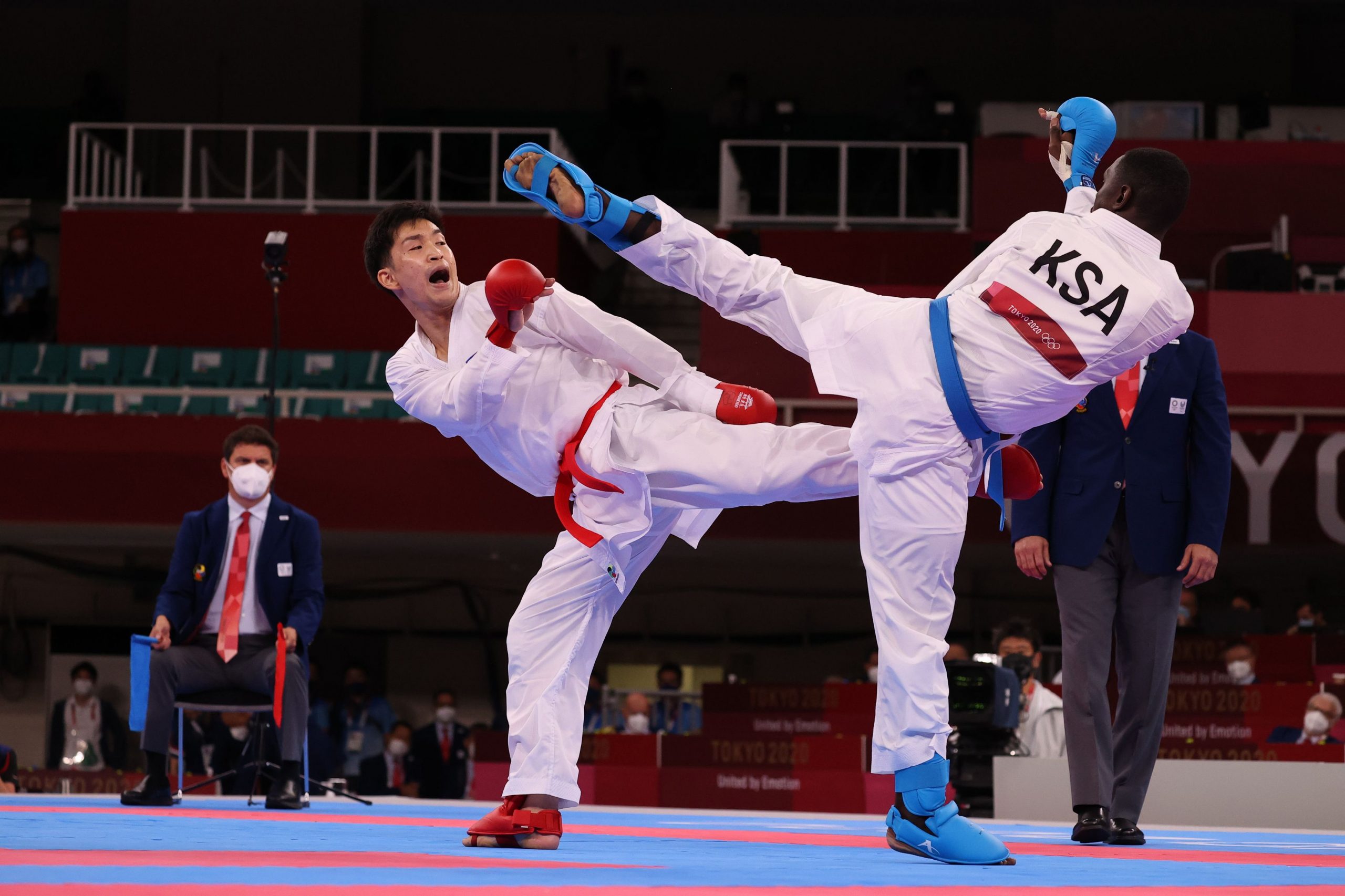
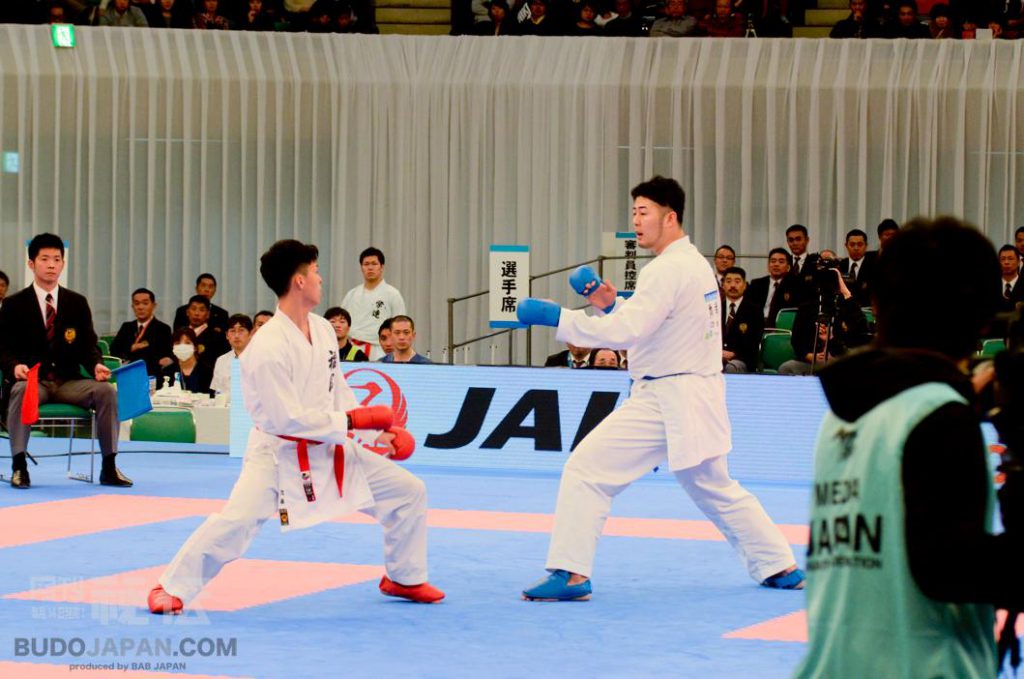
Karate competitions in Japan often feature two formats: kata (pre-arranged forms judged on technique and spirit) and kumite (sparring). Whether it’s the sharp snap of a punch or the quiet focus of a kata performance, karate tournaments highlight discipline, accuracy, and explosive power.
Sumo: Japan’s Sacred Sport
Sumo stands apart as Japan’s most iconic martial competition. Professional tournaments, held six times a year, blend Shinto ritual with raw athleticism. Wrestlers—rikishi—battle within the ring (dohyō), aiming to force their opponent out or make them touch the ground. Grand tournaments at Tokyo’s Ryōgoku Kokugikan draw devoted fans and honor centuries-old traditions.
Aikido and Beyond: Harmony in Motion
While aikido is less competitive by nature, demonstrations and friendly tournaments still captivate audiences. The focus is on harmony, fluid movement, and redirection of force. Other arts—naginata, kyudo (archery), and modern mixed martial arts—add to Japan’s diverse competitive landscape.
More Than Winning
What sets Japanese martial arts competitions apart is their deeper purpose. Athletes train to refine their character as much as their technique. Respect for opponents, humility in victory, and grace in defeat are celebrated values.

Final Thoughts
Martial arts competitions in Japan offer a powerful window into the nation’s soul. Whether you’re watching a thunderous sumo bout or a silent, focused kata performance, you witness a culture where competition becomes a path to self-improvement—and where tradition and modern sport move as one.


.png)