


Protect your peace, your professionalism, and your progress
Every workplace has its challenges, but few are as draining as working alongside fakers—people who pretend to be productive, loyal, or competent while quietly undermining others. In a toxic work environment, these individuals often thrive because appearances matter more than integrity. Learning how to deal with them is essential not just for your career, but for your mental and emotional well-being.
Here’s how to navigate that reality with clarity, strength, and self-respect.
Fakers often share common behaviors:
They take credit for work they didn’t do
They talk loudly about success but deliver little
They gossip, flatter upward, and blame downward
They avoid accountability while appearing “busy”
The key is observation, not confrontation. Watch patterns over time rather than reacting to isolated incidents.
In toxic environments, information is currency—and fakers trade in it.
Sharing too much can lead to:
Your ideas being stolen
Your words being twisted
Your vulnerabilities being weaponized
Be friendly, but strategic. Keep conversations professional and limit personal disclosures.
One of the most powerful tools against fakers is evidence.
Keep records of your work
Save emails and messages
Follow up conversations with written summaries
Documentation protects you when narratives are rewritten or blame is shifted.
Fakers rely on performance; professionals rely on results.
Meet deadlines consistently
Deliver quality work
Be reliable, not dramatic
Over time, consistency exposes pretense. Real value is hard to fake forever.
Toxic people feed on emotional reactions.
Arguing, defending yourself excessively, or venting publicly often strengthens their position.
Instead:
Respond calmly
Stay solution-focused
Choose silence when nothing productive can be gained
Your composure is a form of power.
Not everyone in a toxic workplace is toxic. Identify:
Ethical coworkers
Fair managers
Mentors who value integrity
Strong relationships grounded in trust can protect you and provide clarity when things feel confusing or unjust.
Fakers often overstep boundaries to control narratives.
You are allowed to:
Say no
Decline extra work without recognition
Request clarity in roles and responsibilities
Boundaries don’t make you difficult—they make you self-respecting.
Calling out fakers emotionally can backfire in toxic systems. Instead:
Use formal processes
Escalate with evidence, not emotion
Focus on outcomes, not personalities
Let facts do the talking.
No job is worth chronic stress, anxiety, or self-doubt.
Take breaks
Disconnect after work
Talk to someone you trust
Remind yourself: their behavior is not a reflection of your worth
Sometimes survival means endurance. Sometimes it means exit.
If:
Toxicity is rewarded
Integrity is punished
Leadership enables fakers
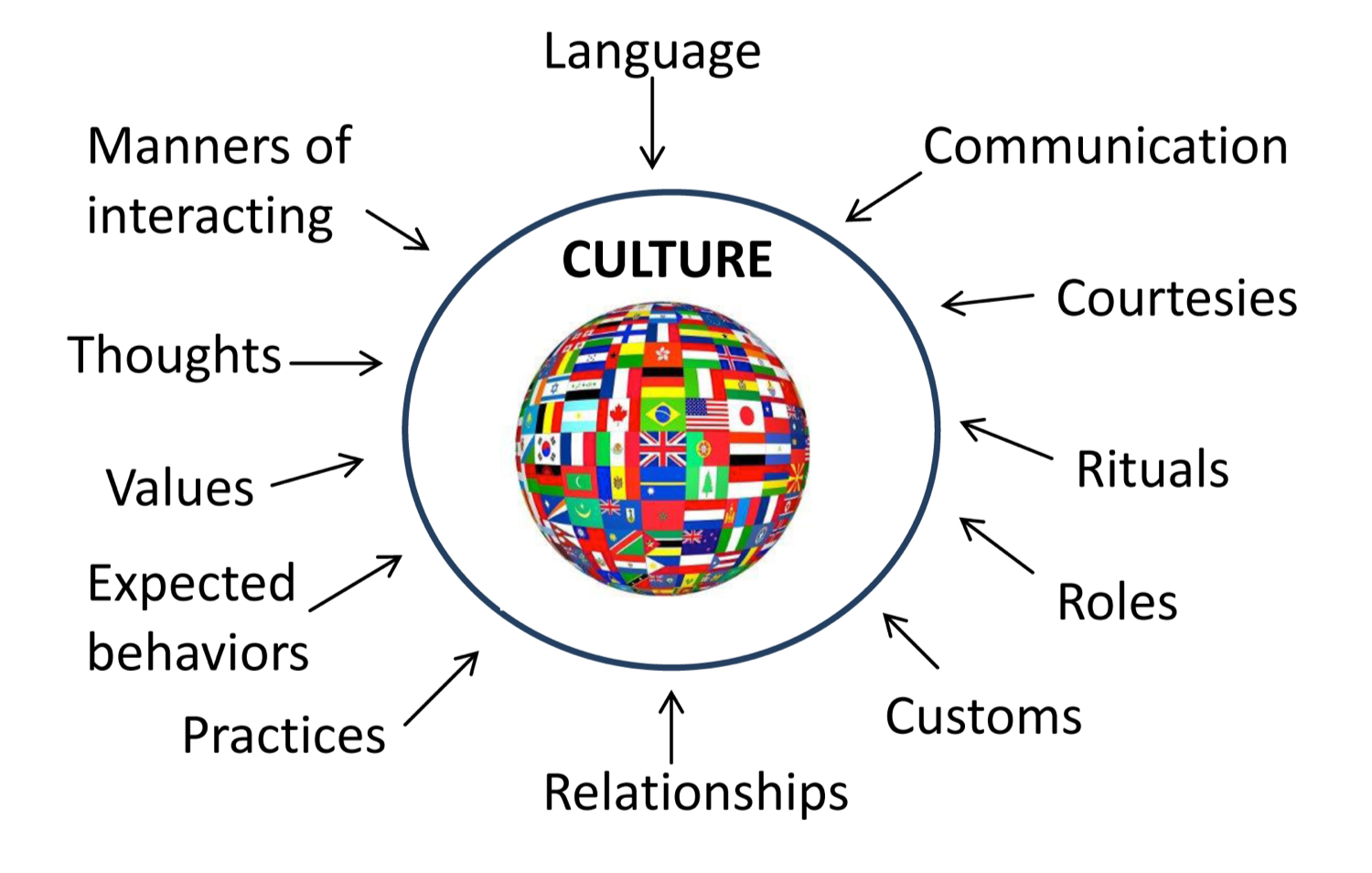
Then the problem isn’t just them—it’s the culture.
Leaving is not failure. It’s self-preservation and often the doorway to growth.
Fakers may shine temporarily, but authenticity has longevity.
Your job is not to compete in deception—it’s to protect your values, your work, and your peace.
Stay sharp. Stay grounded. And remember: real ones don’t need to fake it.












You may also enjoy