
What happens when you combine colorful ink battles, energetic beats, unforgettable melodies, and fictional musical superstars?

What happens when you combine colorful ink battles, energetic beats, unforgettable melodies, and fictional musical superstars? You get Splatoon—one of Nintendo's most distinctive gaming experiences!
Since the original Splatoon arrived on the Wii U in 2015, the franchise has developed a recognizable musical identity that goes far beyond traditional video game background music. Its soundtrack blends energetic rock, electronic sounds, pop, hip-hop influences, experimental vocals, and other musical styles into something unmistakably its own.
But here's what makes Splatoon music particularly fascinating: the songs are presented as popular music created by bands within the game's fictional world. Inklings and Octolings aren't simply fighting to an ordinary soundtrack. They're listening to the latest hits from artists who supposedly have their own careers, musical histories, rivalries, and fans.
Nintendo's developers have explained that imagining which bands performed the music helped establish the series' unique sound and made the fictional world feel more believable.
So, how did this unusual musical concept develop, why is the soundtrack so much fun, and how has it influenced gaming culture? Let's dive into the colorful world of Splatoon music!
One of the most interesting facts is that Splatoon’s music was designed to feel like popular music created by the characters themselves, rather than simply background music for the player. Nintendo’s developers have discussed how fictional bands, changing musical trends, and the history of the game’s world help make the series feel alive.

The story of Splatoon's music begins with the development of the original game.
Nintendo wanted to create an action game that felt fresh, energetic, and different. Its world was inspired by street culture, youth fashion, counterculture, and the rebellious feeling of competitive turf battles.
Music became a natural extension of that creative direction.
In an official Nintendo developer interview, sound director Toru Minegishi explained how the team considered what kind of fictional band might be playing the background music. Rather than treating the soundtrack as a separate layer, the developers imagined popular musicians living in the Inkling world.
That idea helped turn the music into a part of the game's identity.
The result was a soundtrack featuring unusual vocal sounds, energetic instrumental arrangements, and fictional artists whose musical styles reflected the personalities and cultures of the game's settings.
One especially interesting detail is that the original game's vocal language was deliberately made difficult to understand. Nintendo's development team wanted the voices to contribute to the atmosphere without distracting players by making them concentrate on meaningful lyrics during intense battles.
This approach helped give Splatoon its distinctive sound: familiar enough to feel like music, but strange enough to belong to an entirely different world.
Why it works: The soundtrack supports the gameplay while helping players imagine that the Inkling world exists beyond the screen.
No discussion of Splatoon music would be complete without Squid Squad.
The fictional band is described by Nintendo as a turning point in Inkling music. Its energetic style draws on punk, rock, and punk rock influences, helping establish the musical direction that other artists would later explore.
Songs associated with Squid Squad include:
Splattack! — an energetic track that captures the spirit of competitive battles.
Ink or Sink — another example of the band's rebellious musical identity.
Seaskape — a memorable piece from the original game's musical world.
Now or Never! — a recurring musical highlight associated with the excitement of the closing moments of Turf War.
Squid Squad is important because it represents more than a collection of catchy tracks. Within the game's fictional history, the band's popularity helped change what Inklings wanted to hear, inspiring new artists to experiment with faster beats and different sounds.
The idea is remarkably similar to real-world music scenes, where an influential band can inspire an entire generation of musicians.
Nintendo has also developed connections between fictional bands across the series, allowing attentive fans to discover how artists and musical trends evolve over time.
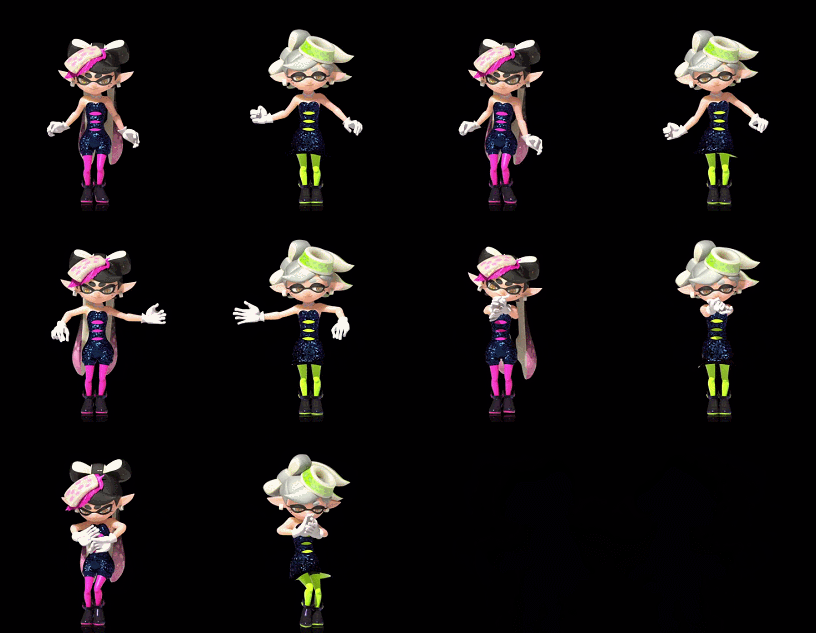
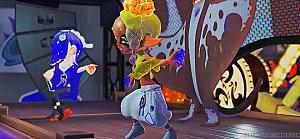
Callie and Marie, better known as the Squid Sisters, brought another dimension to the franchise.

Rather than existing only as names attached to songs, these two characters are performers, dancers, entertainers, and presenters of Inkopolis News in the original game.
Their personalities help make them memorable. Callie is cheerful and energetic, while Marie is more reserved and sarcastic. Together, they create a lively contrast that gives their performances personality.
Their musical identity includes popular songs such as:
City of Color
Calamari Inkantation
Ink Me Up
Maritime Memory
The Squid Sisters also helped demonstrate how music could connect gameplay with the wider fictional world.
Their performances give players a reason to care about the characters outside of battles. Fans can recognize their songs, follow their stories, and enjoy their performances as part of the overall Splatoon experience.
Nintendo's official Splatoon music information also highlights their popularity and live performances, where audiences have waved lights, danced, and cheered for the duo.
That is one of the franchise's greatest strengths: its fictional performers have become an important part of the experience for real players.
As Splatoon developed, its musical world expanded.
Pearl and Marina, the duo known as Off the Hook in Splatoon 2, brought a combination of rap, electronic production, powerful vocals, and rhythmic experimentation.

Their musical identity feels different from the Squid Sisters, helping establish a new era for the franchise.
One of their best-known songs is Ebb & Flow, which captures the duo's energetic sound and their connection to the world of Splatoon 2.
The group also demonstrates how characters' personalities and relationships can shape the music associated with them.
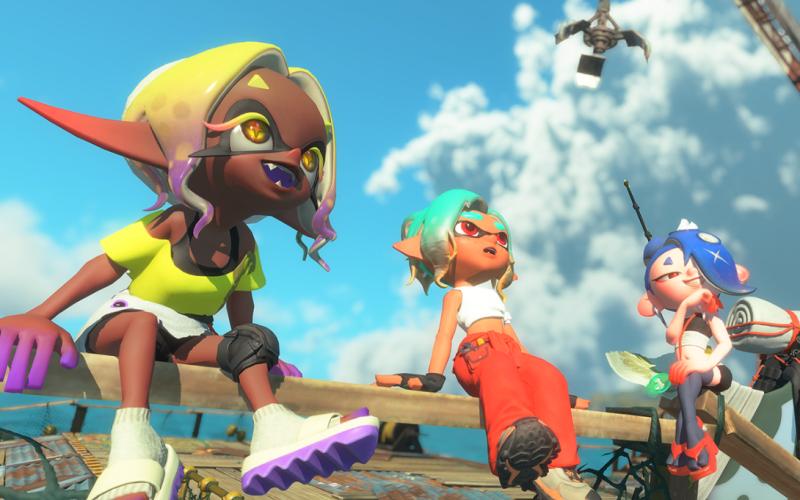
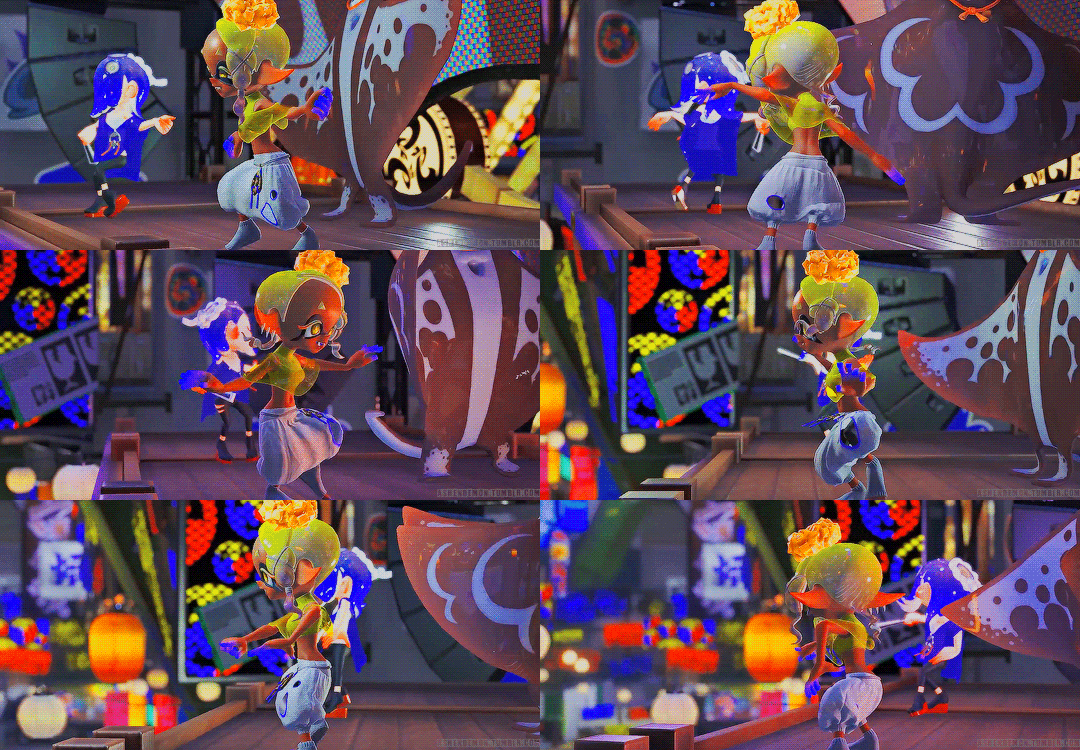
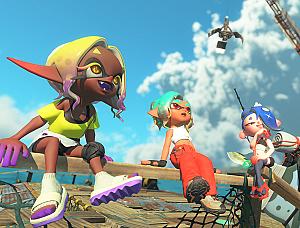
In Splatoon 3, Shiver, Frye, and Big Man form Deep Cut, a trio whose musical identity reflects the lively, unpredictable atmosphere of Splatsville and the Splatlands.

Their music combines influences from different cultures and styles, creating a sound that feels suited to the game's festival-inspired environment.
Tracks such as Anarchy Rainbow capture the trio's energetic, performance-focused style.
Deep Cut also plays a role in Splatfests, the franchise's colorful events where players choose sides and compete for their team.
These groups show that Splatoon music isn't frozen in time. Each game introduces new artists and sounds that reflect changes in the fictional world.
Music does much more than fill silence in Splatoon. It helps shape the player's emotional experience.
Turf War is about covering the arena with your team's ink while competing against the opposing team. Battles can change quickly, with players attacking, defending, swimming through ink, and attempting to control important areas.
The energetic soundtrack helps maintain that sense of urgency.
Fast rhythms and distinctive instrumental sounds give battles momentum, making every push toward the enemy's territory feel more exciting.
In many games, background music is simply music that the player hears.
Splatoon takes a different approach by presenting its songs as music created by artists who exist within the game's world.
Nintendo's developers have explained that the bands, their names, their albums, and their changing musical trends all contribute to making the Inkling world feel more realistic.
This detail encourages players to imagine what their favorite fictional artists might release next.
The musical direction changes alongside the franchise's settings.
The original game's playful, energetic sound differs from the more urban and varied musical atmosphere of Splatoon 2. Splatoon 3 introduces stronger bass, upbeat melodies, and sounds that reflect the chaotic environment of Splatsville.
These changes help distinguish each game's atmosphere without losing the franchise's musical identity.
The recurring Now or Never! concept is a particularly effective example of music supporting gameplay. Its association with the closing moments of Turf War helps signal that the battle is entering its final stretch.
Players can feel that the match is reaching its conclusion even before they look at the remaining timer.
That is effective game audio design: music communicates excitement and urgency while reinforcing what is happening on screen.
One reason Splatoon music stands out is the way it encourages participation.
It's fun to recognize familiar songs. Hearing a favorite track during a battle can create an instant connection to previous matches, memorable victories, and favorite characters.
It's fun to discover new fictional bands. Learning about Squid Squad, the Squid Sisters, Off the Hook, Deep Cut, and other artists adds another layer to exploring the series.
It's fun to watch performances. The franchise combines music with character animations, dance, colorful visuals, and festival-style presentation.
It's fun to share the experience. Fans can discuss their favorite tracks, create gameplay videos, organize music-themed streams, and introduce new players to the soundtrack.
It's fun to hear the world evolve. The music changes as the franchise introduces new locations, characters, and cultural influences.
These elements turn the soundtrack into something players can explore rather than merely hear in the background.
For content creators and gaming communities, Splatoon music also offers an excellent topic for discussions about sound design, favorite songs, fictional bands, and the relationship between music and gameplay.
Splatoon's musical identity has grown beyond ordinary gameplay sessions.
Nintendo has featured official behind-the-scenes recording material for music from the series, giving fans a glimpse into how selected songs and vocals were produced.
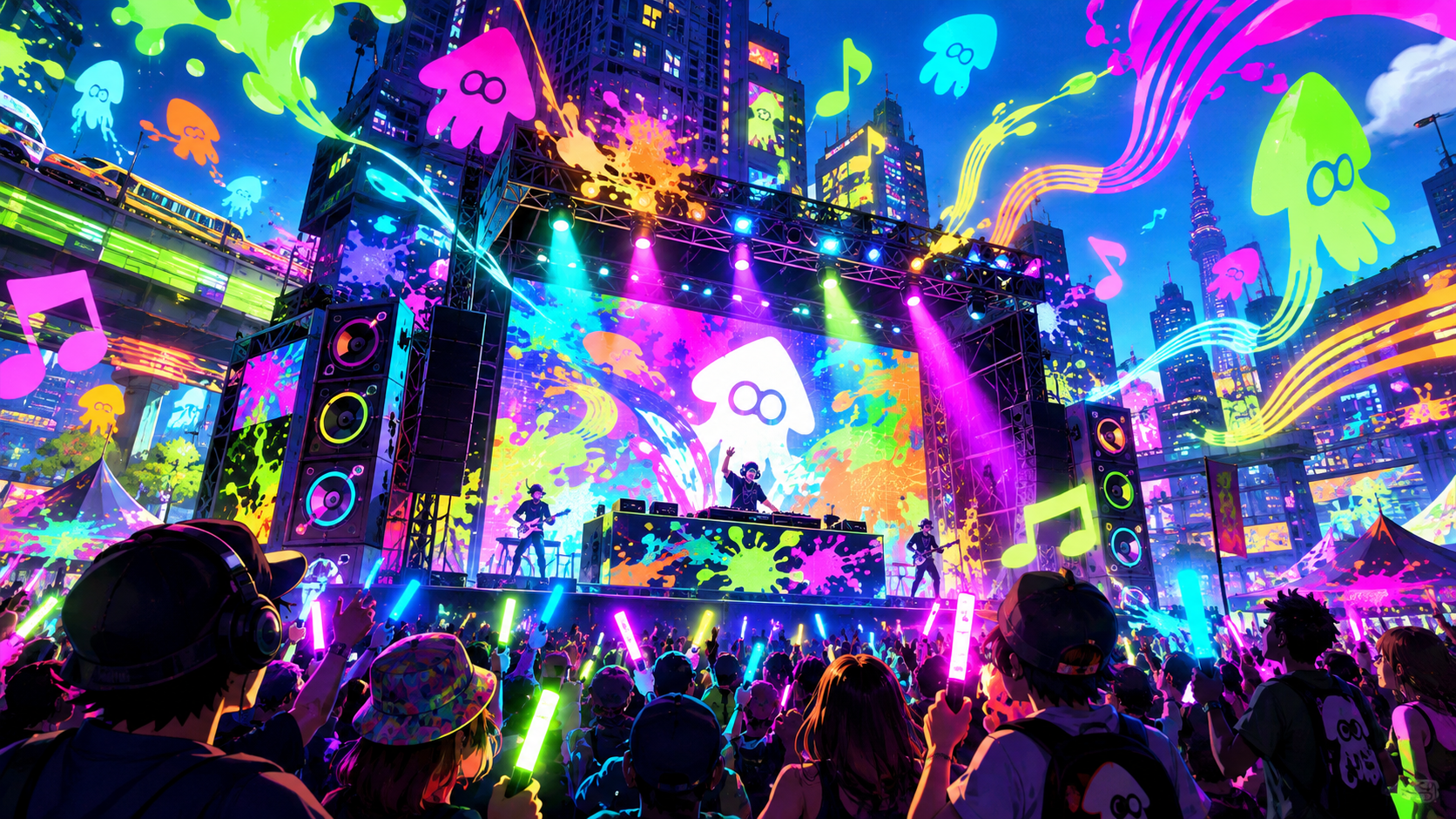
The franchise has also staged live performances featuring its fictional musical groups. These events bring the characters' music into real-world concert settings, where audiences can cheer, wave lights, and celebrate the soundtrack together.
This is a fascinating crossover between gaming and entertainment.
A fictional band can inspire the same kinds of fan enthusiasm associated with real musical performers. People can have favorite members, favorite songs, favorite eras, and strong opinions about which group's music is best.
The soundtrack also contributes to fan creativity, from dance videos and fan art to music discussions and community events.
It would be difficult to attribute every aspect of Splatoon's popularity to its music alone. However, its distinctive soundtrack clearly forms an important part of what makes the franchise recognizable and helps connect its colorful gameplay with a wider entertainment experience.
One of the most exciting questions for fans is how Splatoon's musical world might continue to develop.
New locations could introduce new musical cultures. Existing groups could explore different genres, while familiar characters might perform new songs or collaborate with other artists.
The franchise has already demonstrated that its fictional music scene can change alongside its world and characters.
With Splatoon Raiders introducing a different adventure centered on the Spirhalite Islands, Nintendo has also discussed a distinct musical direction for that setting. Its developers described using electronic influences such as techno, dub, and minimal music to create an atmosphere that feels familiar to the Salmonids but unsettling to other characters.
That is an excellent example of how music can communicate a location's identity and make a new adventure feel different.
The future of Splatoon music is therefore not just about producing more catchy songs. It is about continuing to build a fictional musical world that players want to explore.
Splatoon has shown how music can become a defining part of a video game.
From Squid Squad's rebellious beginnings to the performances of the Squid Sisters, Off the Hook, and Deep Cut, the series has developed a fictional music scene that evolves alongside its characters and settings.
Its energetic soundtrack makes battles exciting, its fictional artists give the world personality, and its live performances bring fans together outside the game.
Most importantly, Splatoon demonstrates that a soundtrack can be entertaining in its own right while also helping create a deeper, more immersive gaming experience.
Whether you're a longtime fan or a newcomer discovering the franchise, there is plenty to appreciate in its unusual vocals, energetic beats, colorful performances, and creative world-building.
What's your favorite Splatoon song or musical group? Are you Team Squid Sisters, Off the Hook, Deep Cut, or Squid Squad? Share your favorite in the comments and join the conversation!
Meta title: Splatoon Music Explained: Squid Songs, Soundtrack & Gaming Culture
Meta description: Discover how Splatoon music was created, from Squid Squad and the Squid Sisters to Off the Hook and Deep Cut, and how its catchy beats transformed gameplay and gaming culture.
Suggested URL slug: splatoon-squid-music-history-gaming-culture
Focus keyword: Splatoon music
Related keywords: Splatoon soundtrack, Splatoon songs, Squid Sisters, Squid Squad, Splatoon 3 music, Nintendo music, Splatoon gaming culture, Inkling music
For readers who want to explore the soundtrack further:
Nintendo's official Splatoon music guide introduces the franchise's fictional artists and selected songs.
Nintendo's Splatoon 3 developer interview explains how the team developed the game's sound and fictional musical culture.
Nintendo's Squid Squad profile explores the band that helped establish the Inkling musical style.
Editorial note: Splatoon and its characters are Nintendo intellectual property. This article is an independent editorial feature and is not affiliated with or endorsed by Nintendo.



You may also enjoy