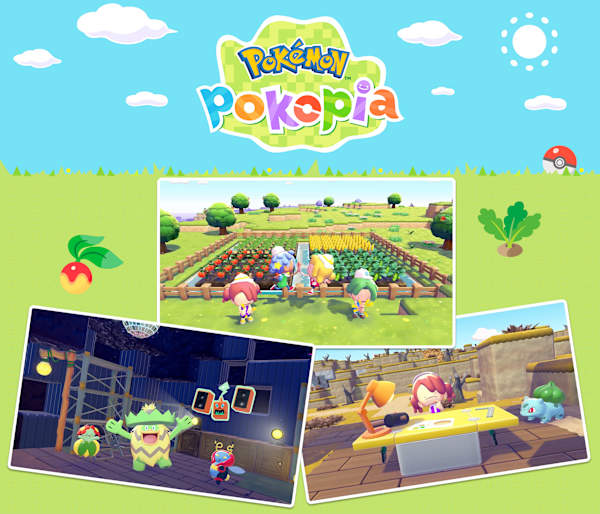


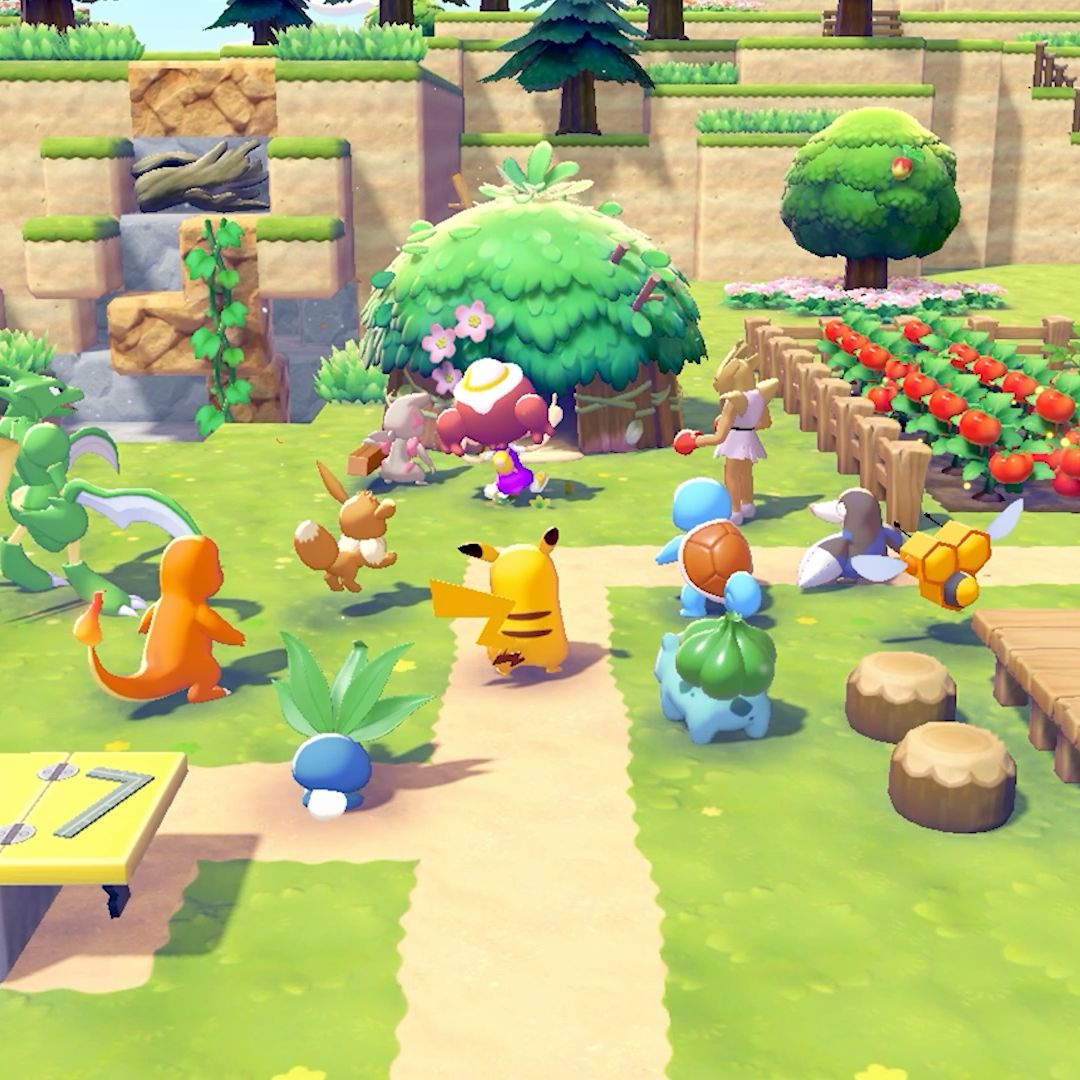
The Pokémon franchise has explored many genres over the years, but Pokémon Pokopia introduces something completely different: a relaxing life-simulation experience.
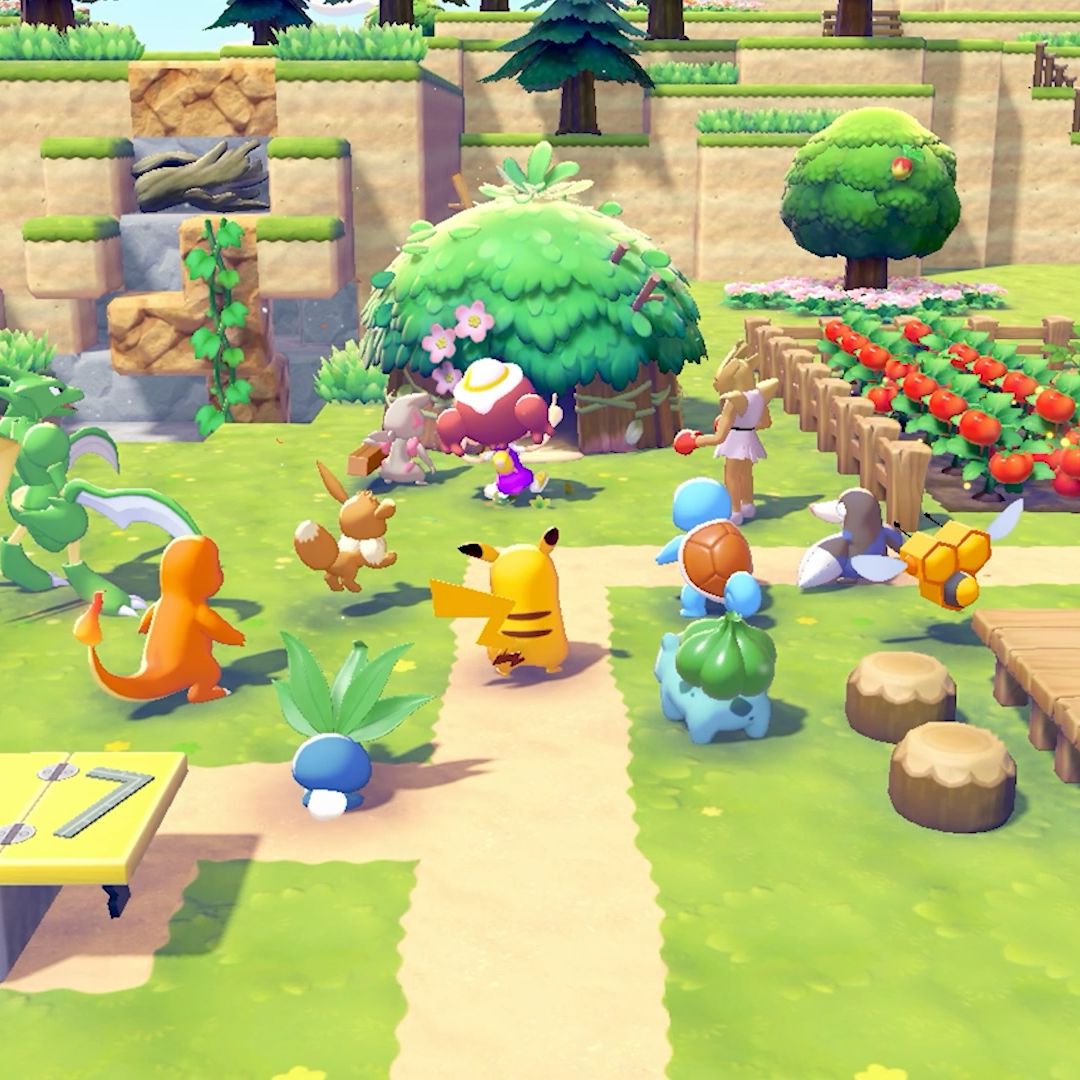
The Pokémon franchise has explored many genres over the years, but Pokémon Pokopia introduces something completely different: a relaxing life-simulation experience. Instead of battling to become a champion, players focus on rebuilding a peaceful world and living alongside Pokémon in a cozy environment.
Released in March 2026 for the Nintendo Switch 2, the game blends elements of sandbox building, farming, and exploration to create a calm but engaging gameplay loop. (Wikipedia)
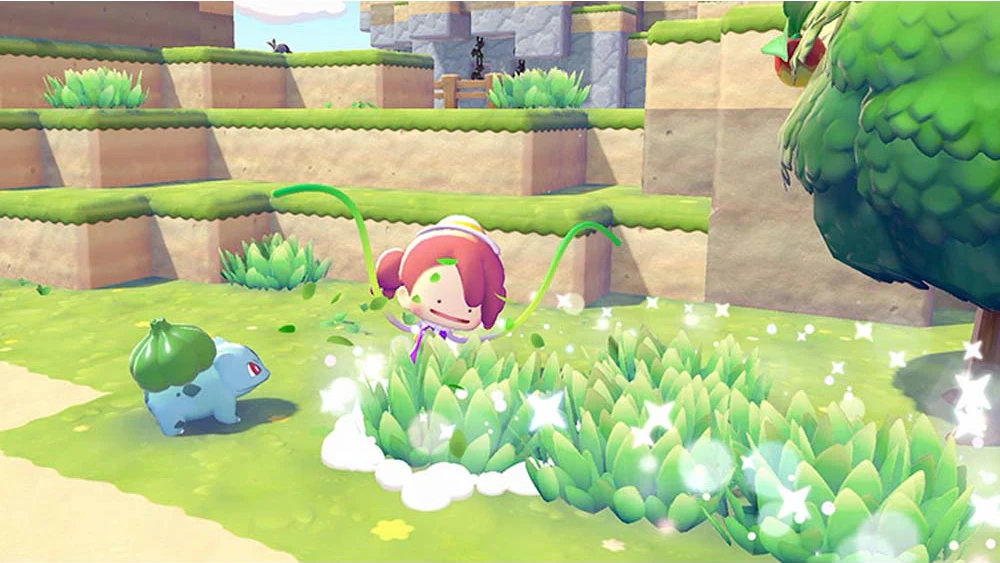
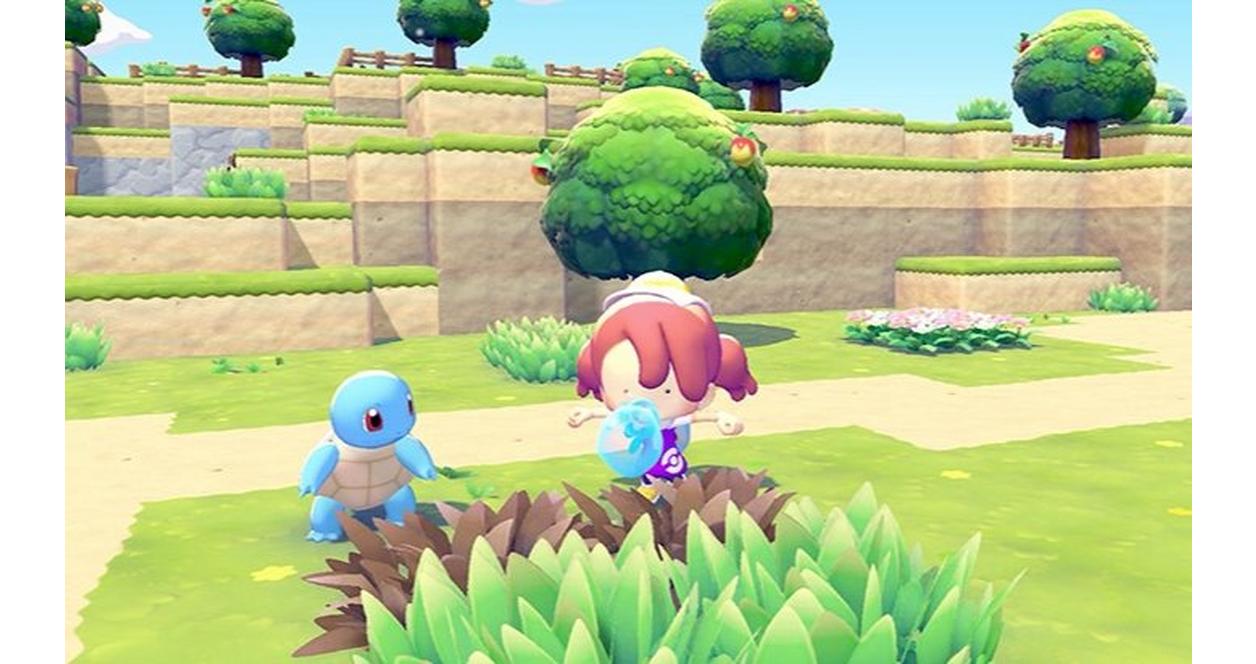
One of the most unusual features of the game is the protagonist. In Pokopia, the player controls a Ditto that has transformed into a human-like form.
This unique concept allows the character to interact with Pokémon in creative ways. As you explore the world, you build friendships with different species, learn their abilities, and use those abilities to reshape the environment.
For example, certain Pokémon moves can help:
Grow plants
Break rocks
Clear obstacles
Water crops
These abilities become tools that help you rebuild the world around you. (Pokopia)
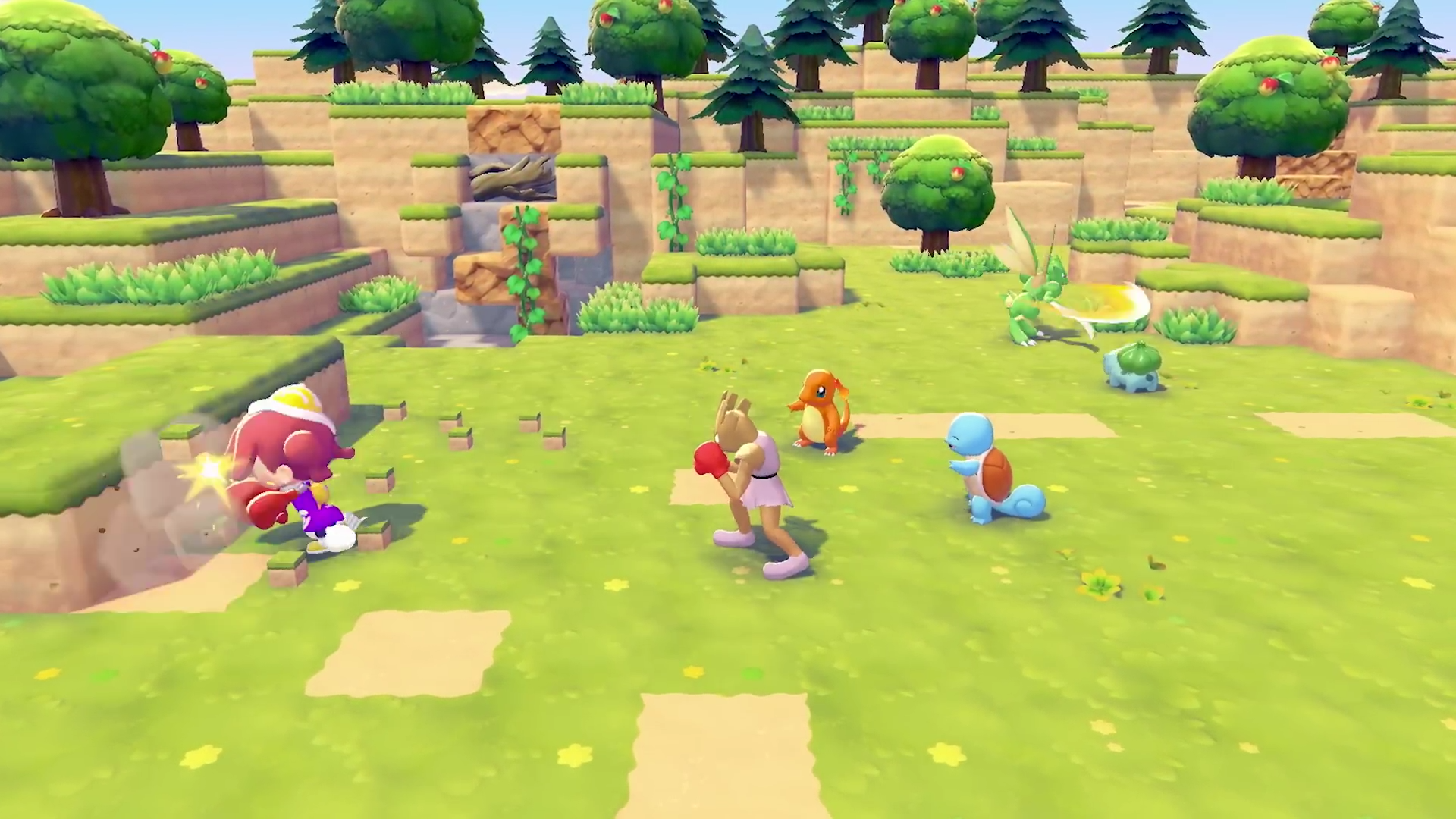
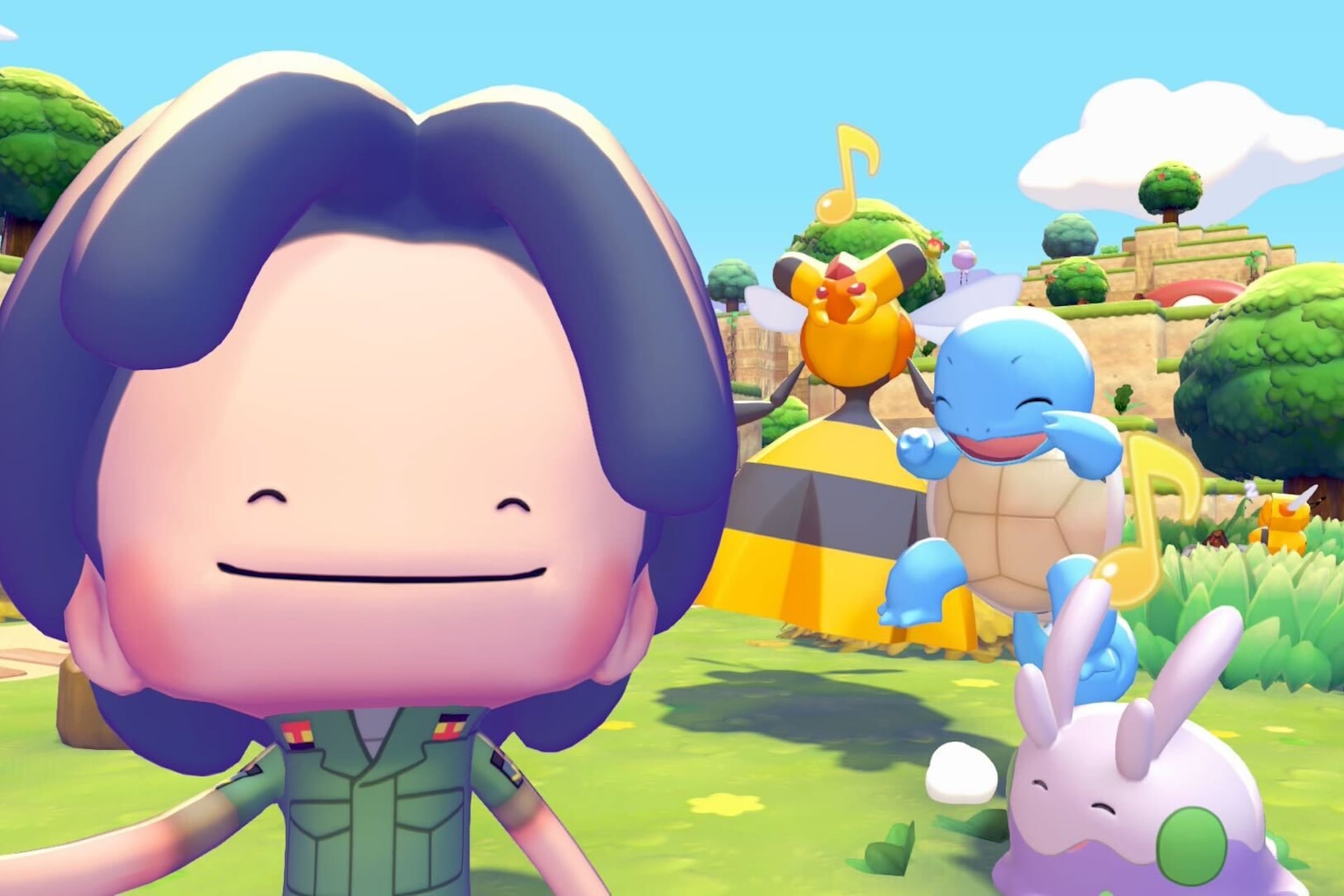
Unlike traditional Pokémon games, Pokopia centers on creativity rather than combat. The core gameplay revolves around collecting resources and constructing environments that attract Pokémon.
Players can:
Gather materials like wood and stone
Craft furniture and decorations
Design homes for Pokémon
Build gardens and farms
Customize entire landscapes
Over time, your small settlement can evolve into a thriving Pokémon paradise. This sandbox approach gives players complete freedom to design their world however they want. (Pokopia)
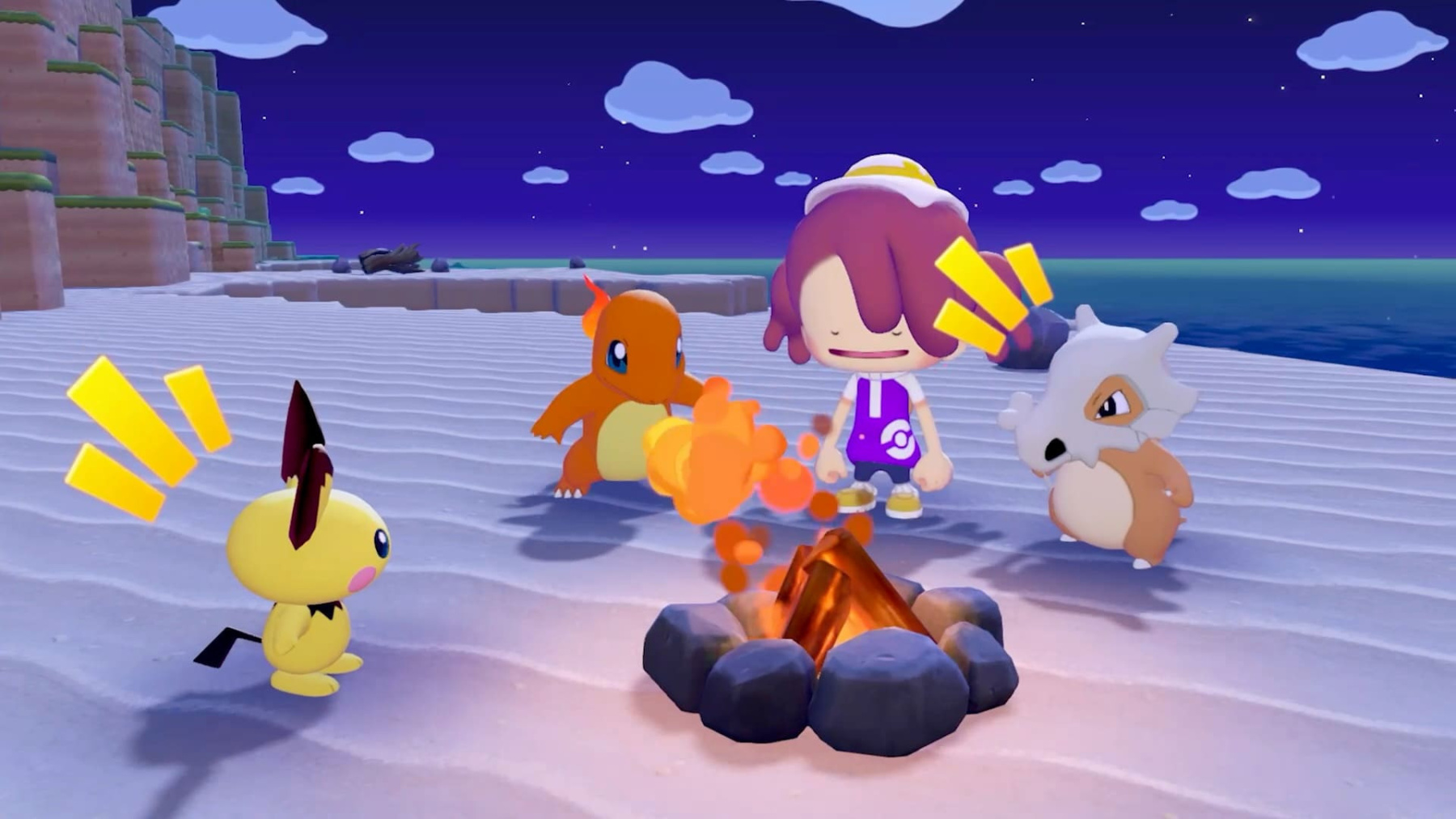
Another interesting aspect of Pokopia is its dynamic environment. The game features a real-time day-night cycle and changing weather, which affects gameplay and the Pokémon you encounter.
This system creates a living ecosystem where Pokémon behave differently depending on the time of day or environmental conditions.
For example:
Some Pokémon may appear only at night
Certain plants grow better in specific weather
Daily routines make the world feel more alive
This design encourages players to check in regularly and experience the evolving world. (任天堂ホームページ)
While Pokopia can be played solo, it also supports cooperative play. Up to four players can work together to build towns, explore new areas, and interact with Pokémon.
Multiplayer allows players to:
Visit each other's worlds
Share resources
Collaborate on building projects
Take photos with Pokémon
This social aspect makes the game feel more like a shared community rather than a single-player adventure.
Many Pokémon titles focus on battles, training, and competitive play. Pokopia, however, is designed as a slow-paced “cozy” experience.
Instead of chasing gym badges, the main goals include:
Restoring abandoned environments
Building habitats for Pokémon
Discovering hidden secrets in the world
Developing relationships with Pokémon characters
This relaxing approach has made the game popular with both longtime fans and players who prefer creative sandbox gameplay.
Pokémon Pokopia represents a fresh direction for the Pokémon franchise. By blending life-simulation mechanics with the charm of Pokémon, it offers a calm and creative experience that stands apart from traditional entries in the series.
Whether you're designing your dream Pokémon town, farming with your favorite creatures, or simply exploring the world at your own pace, Pokopia delivers a unique and welcoming adventure.










You may also enjoy