

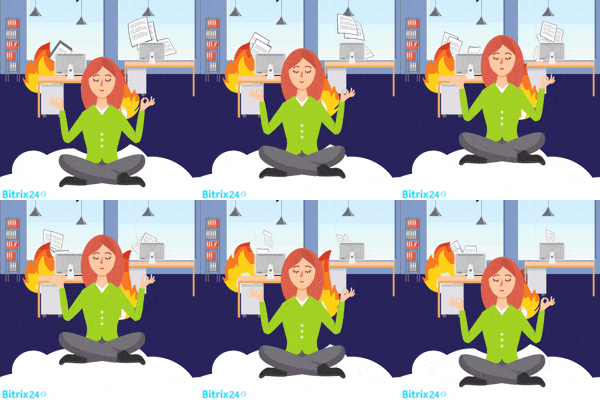

A toxic work environment can feel like constant background noise—gossip humming in the halls, negativity buzzing in meetings, and draining personalities demanding your attention. While changing the entire culture may be out of your control, protecting your peace is not. Learning how to tune out toxicity is a powerful survival skill, and sometimes, a path to personal growth.
Here are practical, grounded ways to mentally and emotionally distance yourself from toxic people and environments—without losing your professionalism or sanity.
Not everything deserves your energy. Toxic environments thrive on reactions—complaints, emotional outbursts, and drama. By consciously choosing what you respond to, you reclaim control.
Listen for what’s relevant to your job, not what’s emotionally charged
Let gossip pass by like background radio noise
Pause before reacting; silence is often the strongest response
Selective attention isn’t avoidance—it’s focus.
You don’t need to shut everyone out to stay protected. Mental boundaries help you stay engaged without absorbing negativity.
Remind yourself: “This is their behavior, not my responsibility.”
Detach emotionally from toxic conversations while staying polite
Avoid oversharing—less personal information means fewer entry points
Boundaries allow professionalism to exist without emotional exhaustion.
Your workspace, whether physical or digital, should feel grounded.
Use music, noise-canceling headphones, or ambient sounds
Keep visual reminders of calm—quotes, nature images, or personal goals
Organize your workspace; clutter amplifies stress
Even small adjustments can turn chaos into calm.
Toxicity feels louder when your work lacks meaning. Reconnecting with why you’re there makes distractions fade.
Focus on skill-building, not office politics
Set daily personal goals unrelated to toxic dynamics
Track progress—growth silences negativity
Purpose acts like noise-canceling headphones for the mind.
One of the most dangerous effects of toxicity is self-doubt. Remember: unhealthy environments distort reality.
Not all criticism is constructive
Loud voices are not always right
Dysfunction reflects leadership failures, not your worth
You are not the problem just because the environment is broken.
Emotions are currency—spend them wisely.
Save emotional energy for people who respect you
Respond calmly, not emotionally, to provocation
Learn to say “noted” instead of “arguing”
Emotional restraint is not weakness—it’s strategic strength.
While total escape may not be immediate, partial distancing helps.
Keep conversations short and task-focused
Avoid lunch-table negativity if possible
Choose email over face-to-face when necessary
Less exposure means less impact.
When work becomes your entire world, toxicity grows louder. Balance restores perspective.
Invest in hobbies, fitness, faith, or creativity
Spend time with people who energize you
Remind yourself: This job is part of my life, not my identity.
A full life makes a toxic job feel smaller.
If the environment crosses into harassment or abuse, clarity matters.
Keep records of interactions and patterns
Stick to facts, not emotions
Use documentation as protection, not obsession
Writing things down helps release them from your mind.
Tuning out toxicity is a coping strategy—not a life sentence. If the environment blocks growth, health, or peace, leaving is not failure—it’s wisdom.
Sometimes the strongest move is choosing a place where you don’t have to tune anything out.
You don’t defeat toxic environments by becoming louder, colder, or harder. You win by staying centered, clear, and grounded in who you are. When you stop feeding the noise, it loses its power.
Protect your mind. Guard your energy. And remember—peace is a skill you can practice anywhere.












You may also enjoy